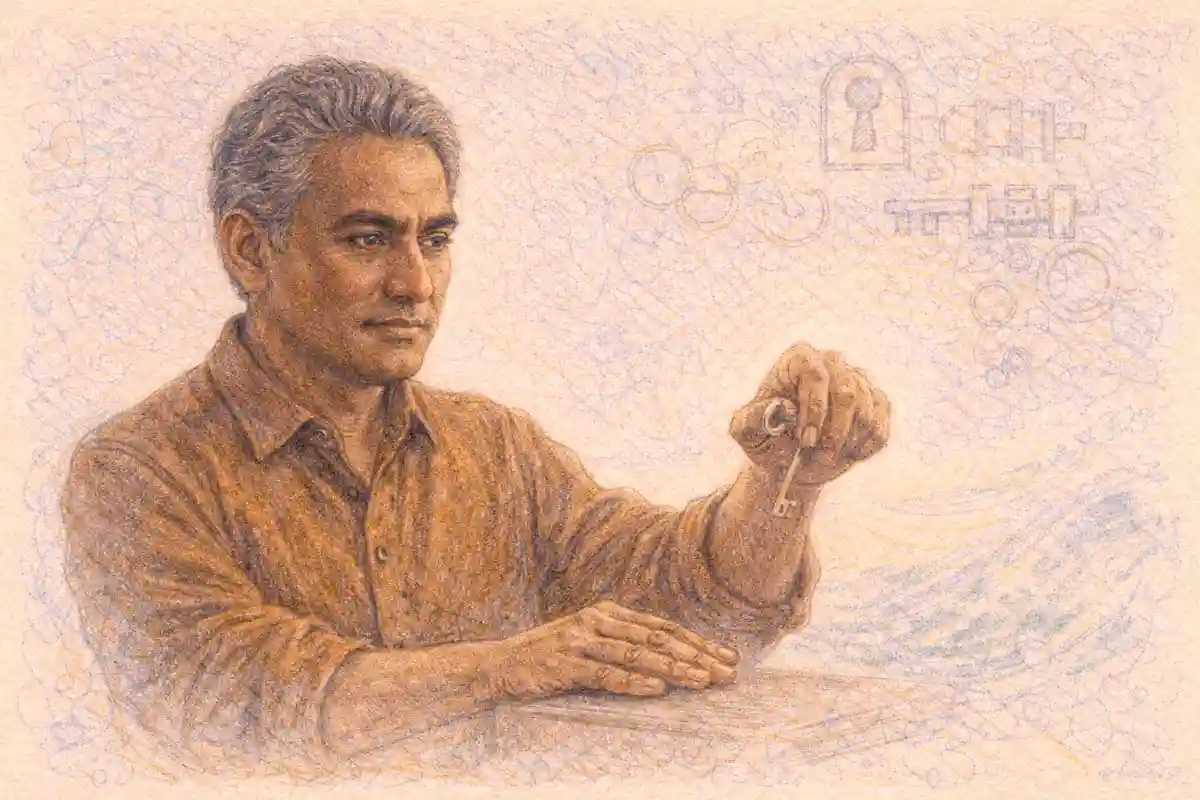
Ripudaman Singh Malik lived thirty-seven years between the deadliest act of aviation terrorism before September 11 and a parking lot in Surrey, British Columbia. On a warm July morning in 2022, unknown gunmen pulled alongside his vehicle and opened fire, killing the seventy-five-year-old businessman whose name had been synonymous with the Air India Flight 182 bombing since 1985. Three hundred and twenty-nine people perished when that aircraft disintegrated over the Atlantic Ocean off the coast of Ireland, and Malik spent two decades in Canadian courts answering for those deaths before a judge acquitted him in 2005. That acquittal did not erase the association. It did not remove the grief of the families who believed he bore responsibility. And it did not, in the end, save his life. Malik’s killing represents the longest consequence chain in India’s shadow war against terrorism, a thirty-seven-year arc that stretches from the skies above the North Atlantic to a Canadian suburban road, connecting the bloodiest chapter of Khalistan-linked terrorism to the campaign that has reshaped how consequences reach back across decades.

The chain from Air India Flight 182 to the Surrey parking lot runs through courtrooms, continents, and the complicated politics of a diaspora community fractured between those who see Malik as a philanthropist and those who remember him as a man who walked free from the most devastating terrorist attack in Canadian history. His story anchors a broader question that hangs over the Khalistan dimension of India’s shadow war against terrorism: when a suspect is acquitted by a court of law but remains linked to the networks responsible for mass murder, does the chain of consequences end at the courthouse door, or does it continue until a different kind of reckoning arrives? Malik’s killing in Surrey, occurring exactly one year before Hardeep Singh Nijjar’s assassination at a nearby gurdwara, suggests that for some, the chain never truly ends.
The Killing
Surrey, British Columbia, sits across the Fraser River from Vancouver, a sprawling suburban city that has become home to one of the largest Sikh diaspora communities outside Punjab. Its streets blend strip malls with gurdwaras, Punjabi restaurants with Canadian chain stores, and the rhythms of South Asian community life with the anonymity of North American suburbia. It was in this environment, at approximately 9:30 in the morning on July 14, 2022, that Ripudaman Singh Malik drove his vehicle through a commercial area he had traversed countless times before. He was heading toward his office at Khalsa Credit Union, a financial institution he had founded decades earlier to serve the Sikh community. The route was predictable. The timing was predictable. For anyone conducting surveillance on Malik’s daily movements, the pattern would have been apparent within days.
Two gunmen approached Malik’s vehicle as it slowed near the intersection. The attack unfolded with a speed that left bystanders confused about what they had witnessed. Multiple shots were fired into the vehicle at close range. Malik, seated behind the wheel, had no time to react and no avenue of escape. He was struck fatally. The attackers fled the scene in a vehicle that was later found burned in a nearby area, a detail consistent with professional operational tradecraft designed to eliminate forensic evidence. The burning of the getaway vehicle is a signature observed across multiple targeted killings, from the streets of Karachi to the roads of Lahore, though it is also common in organized crime hits across North America. British Columbia’s Integrated Homicide Investigation Team responded to the scene and launched an investigation that would quickly become entangled with questions far larger than a single shooting.
The immediate scene in Surrey told a story of precision. Malik was targeted at a time and location where he was most vulnerable, inside his vehicle and in motion but not yet at his destination. The attackers did not enter his home, did not wait at his office, and did not confront him in a public space where witnesses and security cameras would have captured clearer footage. The parking-lot approach, combined with the rapid execution and the burned vehicle, indicated planning that went beyond a spontaneous act of violence. Canadian law enforcement sources acknowledged within days that the killing bore hallmarks of a planned assassination rather than a random crime. What remained unclear, and what continues to divide analysts and investigators, is who planned it and why.
Within hours of Malik’s death, the Sikh community in Surrey and across British Columbia fractured along predictable lines. Some mourned a philanthropist who had built schools, funded community organizations, and provided financial services to immigrants who struggled to access mainstream banking. Others recalled that Malik had been charged with 329 counts of murder in connection with the Air India bombing, that he had spent years in custody, and that his acquittal, while legally binding, had not convinced everyone of his innocence. The families of Air India victims, many of whom had spent decades seeking accountability for their loved ones’ deaths, responded to Malik’s killing with a grief layered over decades of frustrated justice. For them, Malik’s death was not an isolated event but the latest chapter in a story that had already consumed the better part of their lives. Canadian media coverage of the killing reflected these fractures. Some outlets led with Malik’s philanthropic record; others led with the Air India connection. Social media within the Sikh community divided sharply between those who condemned the killing as an attack on a community elder and those who noted, with varying degrees of directness, that a man associated with 329 deaths had met a violent end of his own. The spectrum of reactions revealed the depth of the Air India wound within the diaspora, a wound that thirty-seven years of legal proceedings, community division, and generational change had not healed.
The investigation into Malik’s killing moved quickly to establish whether the shooting was connected to ongoing factional disputes within British Columbia’s Sikh community, to organized crime networks that operate in the province’s Lower Mainland, or to something else entirely. Four individuals were arrested in subsequent months in connection with the murder. Canadian authorities have not publicly linked the killing to India’s intelligence apparatus, distinguishing it from the Nijjar case where Prime Minister Trudeau made an explicit parliamentary accusation. This distinction is significant. It means that Malik’s killing occupies a different evidentiary category from Nijjar’s, one where the attribution question remains genuinely open rather than politically settled.
Who Was Ripudaman Singh Malik
Ripudaman Singh Malik was born in 1947 in Punjab, India, the same year the subcontinent was partitioned and the new nations of India and Pakistan were carved from British colonial territory. His early life coincided with the turbulence of a young nation finding its identity, and his Sikh faith placed him within a community that had experienced the horrors of Partition with particular intensity. The Sikh community’s relationship with the Indian state would evolve through decades of political negotiation, economic development, and eventually violent confrontation, and Malik’s personal trajectory would mirror many of these broader currents.
Malik emigrated to Canada in the late 1960s, part of a wave of Sikh immigration that would transform British Columbia’s demographics over the following decades. He settled in the Vancouver area and began building a business career that would eventually make him one of the most prominent Sikh community figures in western Canada. His entrepreneurial ventures included the establishment of the Khalsa Credit Union, which provided banking and financial services specifically tailored to the Sikh community. He also founded the Khalsa School, a private educational institution that combined standard Canadian curriculum with Sikh religious and cultural instruction. These institutions made Malik a pillar of the community, a man whose name appeared on buildings, whose donations funded events, and whose presence at community gatherings carried weight.
Beneath the surface of this community leadership, however, Malik’s associations drew scrutiny from Canadian intelligence and law enforcement agencies long before he was formally charged. His connections to figures within the Babbar Khalsa International, a militant Sikh organization designated as a terrorist group by multiple governments, placed him in a network that Canadian security services had been monitoring since the early 1980s. Babbar Khalsa emerged from the radical wing of the Khalistan movement, advocating for an independent Sikh homeland through armed struggle. The organization drew its ideological fuel from the perceived oppression of Sikhs by the Indian state, particularly after the Indian Army’s 1984 assault on the Golden Temple in Amritsar, the holiest site in Sikhism, during Operation Blue Star. That assault, ordered by Prime Minister Indira Gandhi to flush out militants who had fortified themselves inside the temple complex, killed hundreds and traumatized the global Sikh community. Indira Gandhi’s assassination by her own Sikh bodyguards four months later, and the anti-Sikh pogroms that followed in Delhi and other Indian cities, deepened the wound beyond repair for many in the diaspora.
Malik’s position within this community was shaped by these traumas. He was a devout Sikh who wore a turban and kirpan, maintained traditional practice, and viewed his community work as an expression of Sikh values of seva, or selfless service. His supporters, both before and after his arrest, consistently described him as a gentle man whose contributions to education and community welfare spoke louder than any allegations. His detractors, including Canadian intelligence analysts and the families of Air India victims, saw a man whose community philanthropy served as a shield for deeper associations with individuals who had turned their grief over Operation Blue Star into the most devastating act of terrorism in Canadian history.
The duality of Malik’s public persona, philanthropist and accused mass murderer, community builder and alleged terror financier, is not a contradiction that can be resolved by choosing one characterization over the other. Both existed simultaneously, and both shaped how his killing was interpreted by different constituencies. Understanding Malik requires holding these competing narratives together without collapsing one into the other, because the 37-year chain that connects Air India to Surrey runs through both the courtroom and the community center, through both the acquittal and the associations that the acquittal did not sever.
The Air India Flight 182 Bombing
On June 23, 1985, Air India Flight 182 departed Toronto’s Pearson International Airport bound for London Heathrow with an onward connection to Delhi and Mumbai. The Boeing 747, named Kanishka after the ancient Kushan emperor, carried 329 passengers and crew members. Among them were families traveling to India for summer visits, students returning to university, businesspeople, and tourists. The passenger manifest reflected the diversity of the Indian diaspora in Canada: Hindus, Sikhs, Muslims, and Christians, men and women, children and elderly. Two hundred and sixty-eight of the passengers were Canadian citizens or permanent residents. Eighty-two were children under the age of thirteen. Twenty-nine entire families were on board.
At 7:14 AM Greenwich Mean Time, as the aircraft flew at 31,000 feet over the Atlantic Ocean approximately 120 miles southwest of Ireland’s coast, a bomb concealed in the forward cargo hold detonated. The explosion ripped through the fuselage with such force that the aircraft broke apart in midair. Passengers, luggage, and structural debris fell into the North Atlantic from an altitude of nearly six miles. The water temperature below was approximately ten degrees Celsius. No one survived. The Irish Navy and Coast Guard launched a massive recovery operation from the nearest port of Cork, but the depth of the ocean at the crash site, over 6,700 feet, meant that much of the wreckage and many of the victims were never recovered. One hundred and thirty-one bodies were eventually pulled from the water. The remaining 198 victims were lost to the Atlantic.
The bombing was not an isolated act. On the same day, a second bomb linked to the same conspiracy detonated at Tokyo’s Narita Airport, killing two Japanese baggage handlers as they transferred luggage from a Canadian Pacific flight that had originated in Vancouver. The twin bombings revealed a coordinated plot that used the Canadian air travel system as a weapon against India. Canadian investigators would eventually determine that both bombs had been loaded onto connecting flights in Vancouver, placed in checked luggage by conspirators who did not board the aircraft themselves, exploiting a gap in the interline baggage transfer system that allowed bags to be checked through to a final destination without the passenger being physically present on the connecting flight.
The bombing of Air India Flight 182 was, at the time, the deadliest act of aviation terrorism in history. It would hold that grim distinction for sixteen years until the September 11, 2001 attacks in the United States. Yet despite its magnitude, the Air India bombing occupied a strange position in the public consciousness of both Canada and India. In Canada, the bombing was initially treated as a foreign tragedy, a disaster that happened to an Indian airline carrying mostly Indian-origin passengers, rather than as an attack on Canadian citizens on Canadian soil. This perception, rooted in racial and cultural biases that the families of victims would spend decades challenging, shaped the investigation from its earliest days. Canadian authorities were slow to recognize the bombing as a domestic terrorism case, and the intelligence failures that preceded it, including warnings from the Canadian Security Intelligence Service that went unheeded by the RCMP, became the subject of a major commission of inquiry two decades later.
The families left behind by Flight 182 represented a cross-section of the Indian diaspora’s aspirations in Canada. Engineers, doctors, teachers, shopkeepers, and students had built lives in Toronto, Montreal, Vancouver, and other Canadian cities, and many were returning to India for summer visits to reconnect with extended family. The Bhat family lost a mother and two children. The Sharma household was erased entirely: parents, grandparents, and all their children. Couples who had married in Indian villages and built prosperity in Canadian suburbs vanished from the passenger manifest and from the world. The scale of the loss was not merely numerical; it was deeply personal, multiplied across hundreds of households that would spend the rest of their lives seeking answers that the Canadian justice system would prove unable to provide.
The Canadian government’s initial response reflected the institutional bias that would plague the investigation. Search-and-rescue operations launched from the Irish coast treated the disaster as an aviation accident rather than a crime scene. Critical physical evidence was lost or compromised in the Atlantic waters. The black box flight recorders, recovered from the ocean floor months later, confirmed the bomb detonation but provided limited investigative leads. The physical evidence trail that might have been preserved through aggressive crime-scene protocols was allowed to degrade in the salt water and weather of the North Atlantic, a decision that investigators and victims’ families would later attribute to the failure to treat the bombing with the same urgency that would have attended a similar attack on a domestic Canadian airline.
In India, the bombing was received as confirmation that the Khalistan movement had metastasized from a domestic insurgency into an international terrorist threat. The Indian government had been waging a counterinsurgency campaign in Punjab since the early 1980s, battling militant groups that sought an independent Sikh homeland through armed struggle. Operation Blue Star in June 1984, the assassination of Indira Gandhi in October 1984, and the horrific anti-Sikh riots that followed had radicalized segments of the Sikh diaspora, particularly in Canada and the United Kingdom, where large communities had settled. The Air India bombing was the most extreme expression of this radicalization, a strike against the Indian state that killed overwhelmingly Canadian citizens, including Sikh Canadians who had no connection to the Khalistan movement.
The Vancouver airport security environment in June 1985 reflected an era before terrorism had reshaped air travel procedures worldwide. Passengers could check luggage onto connecting flights without boarding the first leg personally. X-ray screening of checked baggage was inconsistent, and the technology available was inadequate for detecting sophisticated explosive devices. The conspirators exploited these systemic gaps with a precision that demonstrated familiarity with airline procedures and a willingness to kill indiscriminately. The bombs were built using dynamite and timers, assembled in British Columbia, and loaded into luggage that was checked at Vancouver International Airport for connections through Toronto and Tokyo. The operational plan required the bombers to be nowhere near the aircraft when the devices detonated, an early example of the remote-attack methodology that would characterize terrorism in subsequent decades.
The investigation into the bombing would become the longest and most expensive criminal proceeding in Canadian history, consuming hundreds of millions of dollars and spanning nearly two decades before producing verdicts. Canadian intelligence agencies had monitored Sikh militant groups in British Columbia throughout the early 1980s and had collected intercepted communications that pointed to a conspiracy. Yet the CSIS, Canada’s intelligence service, destroyed wiretap recordings that might have served as evidence, a decision that would haunt the prosecution and become a central grievance of the victims’ families. The relationship between CSIS and the RCMP, strained by bureaucratic rivalry and differing mandates, ensured that intelligence and law enforcement operated in separate silos during the critical period before and after the bombing.
The Trial and Acquittal
Ripudaman Singh Malik and Ajaib Singh Bagri, another prominent British Columbia Sikh community figure, were arrested and charged in October 2000, more than fifteen years after the bombing. The delay reflected the extraordinary difficulty of the investigation, the destruction of key evidence by CSIS, the reluctance of witnesses to cooperate in a community divided by fear and loyalty, and the sheer complexity of building a prosecution case that could withstand the standards of Canadian criminal law. A third suspect, Inderjit Singh Reyat, had already been convicted in 1991 for his role in the Narita Airport bombing and would later plead guilty to a reduced charge related to the Air India bombing itself, admitting to constructing the explosive devices but claiming ignorance of how they would be used.
Malik’s trial, heard by Justice Ian Bruce Josephson of the British Columbia Supreme Court without a jury, lasted from April 2003 to March 2005. The Crown’s case against Malik rested heavily on the testimony of two key witnesses whose credibility became the central battleground of the proceedings. One witness, a woman who had worked at the Khalsa School that Malik founded, testified that Malik had confided in her about his involvement in the bombing, describing it as an act of war against the Indian government. The defense attacked her credibility relentlessly, presenting evidence that her account had changed over time, that she had personal grievances against Malik, and that the circumstances of her disclosure to authorities were inconsistent with her trial testimony.
The second major witness provided testimony about conversations in which Malik allegedly discussed the bombing in celebratory terms. This testimony was similarly challenged on grounds of reliability, motive, and consistency. The defense argued that both witnesses had fabricated or embellished their accounts, motivated by personal vendettas, financial incentives from the RCMP’s witness protection program, or pressure from law enforcement agencies desperate to secure convictions after two decades of investigative failure. Justice Josephson, in his verdict delivered on March 16, 2005, found that the Crown had failed to prove its case beyond a reasonable doubt. He acquitted both Malik and Bagri on all charges.
The acquittal was legally unimpeachable but emotionally devastating for the victims’ families, who had waited twenty years for accountability that the criminal justice system ultimately could not deliver. Justice Josephson did not declare Malik innocent. He ruled that the prosecution’s evidence, particularly the testimony of its key witnesses, did not meet the criminal standard of proof. The distinction between “not guilty” and “innocent” is a legal subtlety that offered no comfort to families who had lost children, parents, siblings, and spouses in the bombing. The acquittal left a void that no subsequent proceeding has filled. The Air India bombing remains the deadliest terrorist attack in Canadian history, and no one has been convicted of the 329 murders.
The Commission of Inquiry into the Investigation of the Bombing of Air India Flight 182, led by former Supreme Court Justice John Major, was established in 2006, one year after the acquittals, to examine the intelligence and investigative failures that had hampered the pursuit of justice. The Major Commission’s report, published in 2010, documented a cascade of institutional failures: CSIS’s destruction of wiretap recordings, the RCMP-CSIS communication breakdown, the inadequacy of pre-bombing security measures at Vancouver International Airport, and the systemic failure to treat the bombing as an attack on Canadian citizens rather than a foreign affair. The Commission recommended sweeping reforms to Canada’s national security architecture, many of which were implemented in subsequent legislation.
For Malik personally, the acquittal marked the beginning of a different phase of life, one in which he would attempt to rebuild his reputation and community standing while carrying the permanent association with 329 deaths. The Air India families never accepted his acquittal as exoneration, and Malik’s name remained synonymous with the bombing in Canadian public discourse. His Khalsa Credit Union and Khalsa School continued to operate, and Malik continued his philanthropic activities within the Surrey Sikh community, but the shadow of Air India Flight 182 followed him for the remaining seventeen years of his life, until a different kind of reckoning arrived in a parking lot.
Malik’s Transformation and Modi Support
The most unexpected chapter of Malik’s post-acquittal life involved a political realignment that stunned observers familiar with his history. In the years following his acquittal, Malik gradually moved away from the hardline Khalistan positions that had defined his earlier associations. By the time Narendra Modi became India’s Prime Minister in 2014, Malik had begun expressing public support for the Indian leader, a stance that was, for a man once charged with bombing an Air India plane, nothing short of extraordinary. His social media posts praised Modi’s governance, endorsed India’s development trajectory, and positioned Malik as a bridge between the Sikh diaspora and the Indian state rather than an adversary of it.
This transformation alienated Malik from the Khalistan hardliners within British Columbia’s Sikh community. The Khalistan movement, which had experienced a revival through social media radicalization and the cultivation of a new generation of diaspora activists, viewed Malik’s embrace of Modi as a betrayal. Modi’s government was, after all, led by the same Bharatiya Janata Party whose ideological parent organization had been accused of complicity in the 1984 anti-Sikh pogroms. For Khalistan advocates, supporting Modi was not merely a political disagreement; it was a repudiation of the community’s foundational grievance. Malik’s shift placed him on the wrong side of a line that the movement’s younger, more radical elements drew with increasing sharpness.
The political dynamics of British Columbia’s Sikh community are essential context for understanding why Malik’s transformation matters for the attribution question surrounding his killing. The community encompasses hundreds of thousands of residents across the Lower Mainland, from Surrey to Abbotsford to Vancouver, and its internal politics are as complex and fractious as those of any other large diaspora. Factions aligned with the Indian consulate, factions sympathetic to Khalistan, factions focused on Canadian domestic politics, and criminal networks that intersect with all of the above compete for influence, resources, and community loyalty. Within this ecosystem, Malik’s pro-Modi shift made him a target not only for potential state actors but for community members who viewed his transformation as treachery.
Giorgio Shani, a political scientist specializing in Sikh diaspora dynamics, has documented how factional conflicts within the global Sikh community frequently produce violence that is misattributed to external actors. The internal rivalries within British Columbia’s gurdwara committees, the competition between Khalistan-aligned and India-aligned community organizations, and the presence of organized crime networks, many with ties to Punjab-based criminal enterprises, create an environment where targeted violence can emerge from multiple sources. Malik’s killing exists within this ecosystem, and any attribution analysis must account for the full range of actors who might have had motive and capability.
The timing of Malik’s political shift is significant in the context of the broader Khalistan terror timeline that stretches from Operation Blue Star through the Air India bombing, the Punjab insurgency, the movement’s dormancy, and its social media revival. Malik’s journey from accused bomber to Modi supporter represents, in miniature, the broader transformation that segments of the Sikh diaspora have undergone as the political dynamics of India and Canada have evolved. His killing occurred at a moment when these dynamics were under extreme pressure, with new Khalistan organizations like the Khalistan Tiger Force gaining prominence and the older generation of Khalistan-linked figures finding themselves caught between a movement that had moved beyond them and a country of origin whose intelligence apparatus had, according to multiple allegations, begun reaching across oceans.
Network Connections
Malik’s network connections operated across three distinct spheres that overlapped in ways that complicate any simple characterization of his role. The first sphere was organizational: his documented association with Babbar Khalsa International, one of the most lethal Sikh militant organizations, which had been responsible for assassinations, bombings, and armed attacks throughout the 1980s and early 1990s. Babbar Khalsa’s ideology combined Sikh religious orthodoxy with armed separatism, and its operational history included the assassination of Indian diplomats, attacks on Indian government installations, and the planning of the Air India bombing itself. While Malik’s acquittal meant that his specific role in the bombing was never legally established, his connections to individuals within Babbar Khalsa’s leadership circle were documented in court proceedings, intelligence reports, and media investigations spanning decades.
The second sphere was financial. Malik’s business enterprises, particularly the Khalsa Credit Union, positioned him at the intersection of community finance and the informal financial networks that sustained Khalistan-linked activities in North America. Canadian intelligence investigations, documented in the Major Commission’s report, traced financial flows between community organizations and individuals associated with militant activities. The degree to which Malik’s financial institutions were directly involved in terror financing, as opposed to serving as legitimate community banks whose clients included individuals with militant associations, is a question that the criminal trial addressed inconclusively. The prosecution alleged that Malik used his business network to fund the Air India conspiracy. The defense argued that his businesses were legitimate enterprises and that any connections to militant finance were coincidental rather than conspiratorial.
The third sphere was community and political. Malik’s decades of philanthropic work, his founding of educational and financial institutions, and his prominent role in gurdwara governance made him a node in a community network that extended across western Canada. This network included individuals with no connection to militancy alongside individuals who were actively involved in Khalistan advocacy, fundraising, and, in some cases, operational planning. The community network is relevant because it defines the universe of people who had regular contact with Malik, who knew his routines, and who had the access necessary to plan an operation against him.
These three spheres, organizational, financial, and community, connect Malik to figures who appear throughout the broader narrative of Khalistan-linked targeted killings. Paramjit Singh Panjwar, the Khalistan Commando Force chief who was gunned down during a morning walk near his Lahore residence in May 2023, operated within the same Khalistan ecosystem that Malik inhabited, though their organizational affiliations differed. Panjwar’s killing in Pakistan and Malik’s killing in Canada illustrate the geographic breadth of the phenomenon: the Khalistan dimension of the shadow war spans continents, from Pakistani Punjab to British Columbia, and the networks that connect these geographies are both organizational and personal.
Harvinder Singh Rinda, the Khalistani terrorist linked to the Sidhu Moose Wala murder who died under suspicious circumstances in a Lahore hospital, represents a different generation and a different intersection of the same ecosystem. While Malik was a wealthy community elder whose associations dated to the 1980s, Rinda was a younger operative whose activities blended organized crime with political terrorism in ways that the older generation had largely kept separate. The connection between them is not personal but structural: both operated within a Khalistan ecosystem that Pakistan’s ISI has cultivated as a pressure point against India, and both met violent ends under circumstances that raise attribution questions about state involvement.
Sukhdool Singh, known as Sukha Duneke, assassinated in Winnipeg in September 2023, inhabited the same Canadian Khalistan milieu as Malik but from a fundamentally different position. Duneke was a gangster whose criminal enterprises provided financial support to Khalistan activities, blurring the line between organized crime and political terrorism in ways that made his killing attributable to either campaign or criminal rivalry. The Malik-Duneke comparison illuminates a critical feature of the Canadian theater of the shadow war: the targets span a spectrum from community elder (Malik) to militant chief (Nijjar) to gangster (Duneke), and each killing requires a separate attribution analysis because the operational environment of a Five Eyes democracy produces different evidentiary standards than the ungoverned spaces of Pakistan’s tribal belt.
The Hunt
The question of how Malik was tracked and targeted requires distinguishing between what is known, what is credibly inferred, and what remains speculative. What is known: four suspects were arrested by Canadian law enforcement in connection with the killing. The arrests indicate that investigators were able to identify individuals involved in the operational phase of the assassination, whether through forensic evidence recovered before the getaway vehicle was destroyed, digital communications intercepts, CCTV footage from the commercial area where the shooting occurred, or cooperating witnesses. The arrests also indicate that the triggermen were physically present in Canada and known to, or discoverable by, Canadian law enforcement.
What is credibly inferred is that the operation required a surveillance phase preceding the shooting. Malik’s daily routine, while predictable, was not publicly documented in the way that a political leader’s schedule might be. Identifying his route to work, his departure time, the specific vehicle he drove, and the optimal interception point required observation over a period of days or weeks. This surveillance phase is the most intelligence-intensive component of any targeted killing, and it reveals the most about the directing entity. A foreign intelligence service conducting surveillance in a Five Eyes country would need to employ local assets rather than deploying its own officers, because foreign nationals conducting surveillance in Canadian suburbs would be conspicuous and vulnerable to counter-intelligence detection. An organized crime network, by contrast, could conduct surveillance using local associates who would not attract attention in the community.
The getaway vehicle’s destruction by fire was a deliberate forensic countermeasure, but the fact that it was found relatively quickly suggests that the operational security of the exfiltration phase was not flawless. Professional intelligence operations typically plan the post-operation phase with the same rigor as the operation itself, including multiple vehicle changes, pre-positioned safe houses, and exfiltration routes that avoid surveillance cameras. The burning of the vehicle in a nearby location, rather than at a more distant site, suggests either time pressure during the escape or a level of operational planning more consistent with organized crime than with a thoroughly prepared intelligence operation. This observation does not resolve the attribution question, but it provides a data point that analysts weigh differently depending on their prior assumptions.
The Canadian investigation’s progress has been shielded from public view, as is standard for ongoing criminal proceedings. Unlike the Nijjar case, where the diplomatic dimension forced significant public disclosure of intelligence assessments, Malik’s case has proceeded through conventional law enforcement channels. The RCMP’s Integrated Homicide Investigation Team handled the initial response, and the subsequent investigation has involved cooperation with CSIS, though the precise nature and extent of that cooperation remains classified. Whether the investigation has produced evidence linking the operation to a foreign state, or whether it remains focused on the arrested individuals as the primary actors, is information that will emerge only through court proceedings or official disclosures.
The intelligence preparation required for the operation, regardless of attribution, reflects capabilities that exist across multiple actor categories. Indian intelligence agencies, particularly the Research and Analysis Wing, possess the institutional capacity to identify targets, develop operational plans, and recruit or direct local assets for extraterritorial operations. Organized crime networks in British Columbia possess the capability to conduct surveillance, execute shootings, and destroy evidence through vehicle burning. Khalistan factions possess community knowledge, familiarity with targets’ routines, and access to individuals willing to carry out violence for ideological or financial compensation. Each category of actor would approach the operational challenge differently, but each possesses sufficient capability to have carried out the killing as it occurred.
Pakistan’s Response
Pakistan’s formal response to Malik’s killing was muted compared to its vocal condemnations of targeted killings occurring on its own soil. Islamabad’s approach to the Canadian Khalistan killings has been characterized by a calibrated distance: acknowledging the events, expressing concern, but avoiding the aggressive attribution claims that characterize its response to killings in Karachi, Lahore, and Rawalpindi. This restraint reflects Pakistan’s complex position within the Khalistan ecosystem. Pakistan has historically maintained relationships with Khalistan militant organizations through the ISI, using them as strategic assets against India in the same way it has used Kashmiri and Punjabi jihadist groups. Condemning India too forcefully for allegedly targeting Khalistan figures in Canada would invite scrutiny of Pakistan’s own role in sheltering and cultivating those same figures.
The Pakistani diplomatic establishment recognized, in the wake of the Canadian killings, an opportunity to corroborate its own allegations about Indian involvement in targeted killings on Pakistani territory. For years, Pakistan had accused Indian intelligence of orchestrating assassinations within its borders, claims that Western governments largely dismissed as unsubstantiated complaints from a state sponsor of terrorism. The Nijjar case, with its Five Eyes intelligence backing and Trudeau’s parliamentary accusation, provided Pakistan with external validation that its allegations might have substance. Islamabad’s diplomats referenced the Canadian cases in international forums to argue that India’s targeted killing campaign was not limited to Pakistan but extended to democratic allies, suggesting a pattern of extraterritorial violence that transcended any single bilateral dispute.
This strategic positioning placed Pakistan in the unusual position of benefiting diplomatically from violence against individuals it had itself sheltered. Panjwar had lived openly in Lahore for decades under ISI protection. Rinda had died in a Lahore hospital. The ISI’s cultivation of Khalistan assets was well-documented and served Pakistan’s strategic interest in maintaining pressure on India through multiple insurgent vectors. Yet Pakistan’s public response to the Canadian killings focused exclusively on Indian culpability while omitting any acknowledgment of its own role in sustaining the networks that produced the targets. The diplomatic convenience of this selective narrative was not lost on Western intelligence agencies, which maintain detailed assessments of Pakistan’s relationships with the very organizations whose members were being killed.
The broader Pakistani security establishment’s response to the Khalistan dimension of the shadow war has been less measured than its diplomatic messaging. Pakistani intelligence analysts, writing in publications aligned with the military establishment, have argued that the Canadian killings demonstrate India’s transformation into a “rogue intelligence state” that operates without legal constraint or respect for sovereignty. These assessments, while polemical, reflect a genuine concern within Pakistan’s security community: if India can operate with relative impunity in Canada, a Five Eyes democracy with advanced counter-intelligence capabilities, the implications for Indian operations in Pakistan, where the security environment is far less sophisticated, are troubling. The Malik killing, as the possible first act in the Canadian theater, thus contributed to a reassessment within Pakistani intelligence circles of the campaign’s scope, capability, and strategic ambition.
The Attribution Question
The question of who killed Ripudaman Singh Malik, and why, does not admit a simple answer. Unlike the killing of Hardeep Singh Nijjar, where the Canadian Prime Minister explicitly accused Indian intelligence services from the floor of Parliament, Malik’s killing has produced no comparable official attribution. Canadian law enforcement has arrested suspects and pursued prosecutions, but has not publicly linked the operation to a foreign state. This absence of official attribution creates an analytical space in which multiple hypotheses compete, and the evidence available from open sources supports more than one.
The first hypothesis places Malik’s killing within the broader pattern of India-attributed targeted killings that have claimed the lives of Khalistan-linked figures across multiple countries. Under this interpretation, Malik’s association with Babbar Khalsa, his historical connection to the Air India bombing, and his position within the Canadian Khalistan ecosystem made him a target of the same campaign that would later claim Nijjar. The temporal sequence is suggestive: Malik was killed in Surrey in July 2022, Nijjar was killed in Surrey in June 2023, and Duneke was killed in Winnipeg in September 2023. Three Khalistan-linked figures killed in Canada within fourteen months constitutes a cluster that pattern analysis treats as potentially coordinated rather than coincidental.
The operational characteristics of Malik’s killing, while not identical to the motorcycle assassinations that characterize the Pakistan campaign, share features with professional intelligence-linked operations: surveillance of the target’s routine, a close-range shooting from a vehicle, rapid escape, and the destruction of the getaway car to eliminate forensic evidence. These features distinguish the killing from opportunistic crime and suggest planning by actors with operational experience. Whether that experience was acquired through intelligence training, organized crime, or some hybrid of both is a question that the operational signature alone cannot answer.
The second hypothesis situates Malik’s killing within the internal politics of British Columbia’s Sikh community. Malik’s public embrace of Prime Minister Modi had alienated him from Khalistan hardliners, including younger activists who viewed any accommodation with the Indian state as betrayal. This alienation was not theoretical. Malik had received threats, faced social ostracism from segments of the community, and occupied a position that was, by the standards of diaspora politics, genuinely dangerous. Community violence within diaspora populations is not hypothetical; it is documented across multiple communities worldwide, and the Sikh diaspora’s internal tensions, particularly the rivalry between pro-India and pro-Khalistan factions, have produced confrontations, threats, and physical altercations in gurdwaras, community halls, and public spaces throughout Canada.
Sam Cooper, the investigative journalist whose work on organized crime in British Columbia exposed the penetration of criminal networks into legitimate institutions, has documented how the Lower Mainland’s criminal ecosystem intersects with diaspora community politics. The drug trade, money laundering, real estate speculation, and protection rackets that characterize British Columbia’s criminal underworld do not respect the boundaries between ethnic communities, and Sikh criminal networks operate alongside and sometimes in concert with Khalistan political organizations. Malik’s financial enterprises, his community prominence, and his political realignment all placed him within reach of actors whose motives might have been criminal rather than political, personal rather than strategic.
The third hypothesis, which some analysts consider the most likely, is a hybrid in which Indian intelligence agencies identified targets within the Canadian Khalistan ecosystem and used, directed, or facilitated local criminal elements to carry out the operations. This model, in which a state actor provides targeting intelligence while local assets conduct the physical operation, is consistent with the tradecraft alleged in the US Department of Justice indictment related to the Gurpatwant Singh Pannun assassination plot. In that case, prosecutors alleged that an Indian intelligence official recruited a criminal intermediary with ties to North American drug trafficking networks to arrange the assassination of a US-based Khalistan activist. The hybrid model, if applied to Malik’s case, would explain both the professional operational characteristics and the use of local actors who could be arrested without directly exposing state involvement.
The attribution question matters beyond the specific case because it defines how Malik’s killing fits into the broader analytical framework of the international response to India’s targeted killings. If Malik’s killing was an Indian intelligence operation, it represents the earliest known extension of the campaign to Canadian soil, predating Nijjar by a full year. If it was an internal community hit, it demonstrates that the Khalistan diaspora’s factional violence can produce outcomes that closely resemble state-directed assassinations. If it was a hybrid, it raises the most troubling questions of all, because it suggests that state intelligence agencies have developed the capability to weaponize diaspora community tensions for their own purposes, outsourcing the operational risk while retaining strategic control.
The 37-Year Consequence Chain
The chain that connects Air India Flight 182 to the parking lot in Surrey is the longest temporal arc in India’s shadow war against terrorism. Other chains in the series span significant periods: the IC-814 hijacking of 1999 produced consequences that reached Zahoor Mistry in Karachi in 2022, a twenty-three-year chain. The Pathankot airbase attack of 2016 led to Shahid Latif’s killing in Sialkot seven years later. But Malik’s chain, from June 1985 to July 2022, spans thirty-seven years, during which the world changed beyond recognition while the consequences of a single act of terrorism continued to propagate.
To understand what a thirty-seven-year consequence chain means, consider the milestones it spans. When Air India Flight 182 was destroyed, the Cold War was still in progress, the Berlin Wall stood, and the World Wide Web did not exist. The Soviet Union occupied Afghanistan, mobile phones were the size of bricks, and the term “global war on terror” had not been coined. India was governed by Rajiv Gandhi, who had become Prime Minister after his mother’s assassination. Pakistan was governed by General Zia ul-Haq, who was actively funding and arming the mujahideen in Afghanistan. Canada was governed by Brian Mulroney, and the country’s national security apparatus was still organized around Cold War priorities rather than counterterrorism.
Between 1985 and 2022, the entire framework within which terrorism, intelligence, and international relations operate was rebuilt from the ground up. The September 11 attacks transformed how nations conceptualized terrorist threats. The Global War on Terror produced two major American-led wars, the rise and fall of al-Qaeda and the Islamic State, and a revolution in intelligence methodology centered on signals intelligence, drone technology, and targeted killing as a tool of state policy. Israel’s Mossad refined its targeted killing doctrine through operations against Hezbollah, Hamas, and Iranian nuclear scientists. The United States institutionalized a drone program that would execute thousands of targeted killings across multiple countries. India fought the Kargil War, survived the Mumbai attacks of 2008, and gradually built the intelligence and military capabilities that would eventually produce the shadow war.
Throughout all of these transformations, the consequences of the Air India bombing continued to unfold. The criminal investigation ground forward. The trial consumed years. The acquittals landed. The Major Commission documented the failures. And through it all, Malik lived in Surrey, running his businesses, attending his gurdwara, and carrying the name that connected him to 329 deaths whether or not the courts held him responsible. The chain did not stop at the acquittal. It did not stop at the Commission. It stopped in a parking lot, thirty-seven years after the bomb went off, when consequences arrived in a form that no legal system could adjudicate.
This chain raises a question that extends far beyond Malik’s individual case. India’s shadow war operates on the premise that consequences for terrorism are not limited by statute of limitations, legal proceedings, or geographic distance. The same premise that produced the killing of Avtar Singh Khanda in Birmingham, the death of Harvinder Singh Rinda in Lahore, and the assassination of Hardeep Singh Nijjar in Surrey operates across time as well as space. Malik’s 37-year chain is the most extreme illustration of this principle: that the chain of consequences for mass terrorism does not expire, it merely waits.
The counterargument, which the article must acknowledge, is that applying a 37-year consequence lens to Malik’s killing presumes state attribution that has not been established. If Malik was killed by internal community rivals outraged by his pro-Modi stance, the 37-year chain is a narrative construction imposed by analysts rather than a reality experienced by the actors involved. Under this interpretation, Malik’s death is connected to the Air India bombing only in the sense that his biography includes both events, not in the sense that one caused the other. The Air India connection provides context but not causation, background but not motive.
The analytical challenge is that both readings are defensible, and the evidence currently available does not definitively exclude either. What can be said is that Malik’s killing exists within a pattern of Khalistan-linked targeted killings that includes Panjwar in Lahore, Nijjar in Surrey, Rinda in Lahore, Khanda in Birmingham, and Duneke in Winnipeg. Whether Malik’s killing belongs to the same campaign or represents a different phenomenon is a question that Canadian courts and investigators may eventually answer. Until then, the 37-year chain remains the series’ most provocative temporal arc, connecting the deadliest act of aviation terrorism before September 11 to the parking lots and gurdwaras of suburban Canada.
The chain’s significance extends beyond chronology into the realm of strategic doctrine. Every targeted killing campaign in modern history operates on an implicit temporal logic. Israel’s Operation Wrath of God, launched after the Munich Olympics massacre of 1972, pursued Palestinian operatives for over two decades, with the last confirmed target killed in the early 1990s. The temporal logic of that campaign was straightforward: the targets were directly involved in planning or executing the Munich attack, and Israel pursued them until they were dead or beyond reach. The American drone campaign in the Global War on Terror operated on a different temporal logic: targets were selected based on current threat assessments rather than past actions, with the focus on preventing future attacks rather than avenging past ones.
Malik’s case, if attributed to India’s campaign, suggests a temporal logic that combines elements of both models. The past-action rationale connects Malik to the Air India bombing, an attack that remains the single greatest act of mass murder in Canadian history. The current-threat rationale connects Malik to ongoing Khalistan networks that, through his financial enterprises and community connections, continued to function within the ecosystem that produces separatist violence. The thirty-seven-year span forces a question that shorter chains do not: at what point does the connection between a past act and a present consequence become too attenuated to constitute a coherent chain? The legal system answered this question with Malik’s acquittal, declaring that the evidentiary chain between the man and the crime was insufficient. The shadow war, if it was responsible for his killing, answered differently.
What This Elimination Reveals
Malik’s killing reveals several dimensions of the shadow war and the broader Khalistan terrorist ecosystem that no other case in the series exposes with equal clarity. First, it demonstrates that the Khalistan dimension of the campaign, if Malik’s killing is indeed part of the campaign, operates on a fundamentally different timeline than the jihadist dimension. The LeT and JeM targets killed in Pakistan were primarily associated with attacks and operations from the past two decades. Malik’s connection to the Air India bombing reaches back nearly four decades, suggesting that the target list, if centrally compiled, draws from a historical register of grievances that spans the entire period of Khalistan-linked terrorism.
Second, Malik’s killing illustrates the unique challenges of operating in a Western democracy. In Pakistan, the shadow war’s motorcycle assassinations occur in an environment where law enforcement investigation is minimal, forensic capability is limited, witnesses are intimidated or uninterested, and the state itself may be complicit in the failure to investigate. In Canada, the operational environment is radically different. Advanced forensic technology, CCTV networks, digital communication intercepts, competent law enforcement with substantial resources, and a judicial system that functions independently of political pressure create an environment where targeted killings carry a dramatically higher risk of attribution and prosecution. That four suspects were arrested in Malik’s case illustrates this difference: in Pakistan, the killers of dozens of India-wanted terrorists have never been identified, much less arrested.
Third, Malik’s case exposes the taxonomy of targets within the Canadian theater. The three Canadian killings, Malik, Nijjar, and Duneke, represent three distinct target types: a historical figure associated with the most devastating Khalistan attack (Malik), a current operational leader of a designated terrorist organization (Nijjar), and a criminal operative whose activities bridged organized crime and separatist terrorism (Duneke). This taxonomy suggests that the campaign, if it encompasses all three killings, is not restricted to active operational targets but extends to figures whose significance is historical, symbolic, or network-structural.
Fourth, and perhaps most importantly, Malik’s killing preceded Nijjar’s by exactly one year, establishing a temporal pattern that intelligence analysts and investigators have noted. The anniversary proximity may be coincidental, or it may indicate a campaign rhythm determined by operational planning cycles, intelligence collection windows, or strategic calendars. The one-year gap also provided an operational learning opportunity: whatever mistakes were made or lessons learned in the Malik operation could have been incorporated into the Nijjar planning. The fact that the Nijjar killing produced far greater diplomatic consequences than the Malik killing, triggering Trudeau’s parliamentary accusation and the worst India-Canada diplomatic crisis in decades, suggests that the Malik operation’s lower profile may have been an asset rather than a liability, allowing the campaign to operate in Canada without immediate strategic blowback.
The pattern that emerges from examining Malik’s killing in the context of the broader shadow war is one of layered complexity. The campaign, as documented across dozens of cases in Pakistan and several in Canada, adapts its methods to the operational environment, its target selection to the strategic objective, and its attribution profile to the diplomatic risk tolerance of the moment. Malik’s killing, whether or not it is ultimately attributed to Indian intelligence, occupies a specific position in this pattern: the historical target, the longest chain, the opening move in the Canadian theater, and the case that demonstrated that the shadow war’s geographic reach extends to the safest suburbs of a Five Eyes democracy.
Fifth, and often underappreciated in operational analysis, Malik’s killing illuminates the psychological dimension of the shadow war’s deterrent function. Deterrence operates through communication: the threat of consequences must be perceived by those it is intended to deter. The Pakistan campaign’s motorcycle assassinations serve a deterrent function within Pakistan’s militant community, communicating that sanctuary is no longer secure. Malik’s killing, occurring in a radically different operational environment, communicates something additional: that neither acquittal nor geographic relocation to a Western democracy terminates the chain of consequences. This communication reaches two distinct audiences simultaneously. The first audience is the Khalistan diaspora, which learns that historical associations with terrorism carry enduring risk regardless of legal outcomes. The second audience is the broader international community, which learns that the campaign’s geographic ambition is not confined to the adversary state but extends to allied territory when the target set demands it.
The psychological impact within British Columbia’s Sikh community was immediate and measurable. Community leaders who had maintained public profiles began reassessing their visibility. Gurdwara committees reconsidered security arrangements. Individuals with historical connections to Khalistan-linked organizations, however peripheral, experienced a new calculus of personal risk. This behavioral change, documented through Canadian media reporting and community organization statements, represents a strategic effect that operates independently of whether the killing is ultimately attributed to India. The perception of vulnerability, once established, does not require confirmation of the attacking entity’s identity to produce behavioral modification.
The operational security implications for whoever directed the killing are significant regardless of attribution. The arrest of four suspects indicates that the operational chain included individuals who were identifiable through conventional investigative methods. In intelligence tradecraft, the exposure of operational assets, even low-level ones, represents a failure of compartmentalization that can compromise broader networks. If the operation was directed by a foreign intelligence service, the arrests force a reassessment of how local assets are recruited, trained, and insulated from the directing entity. If the operation was organized by community factions, the arrests demonstrate that Canadian law enforcement possesses the capability to identify participants, a deterrent against future community-based targeted violence.
The final revelation of Malik’s case concerns the relationship between legal justice and extrajudicial consequence. The Air India bombing produced a legal process that consumed twenty years and hundreds of millions of dollars but ultimately failed to deliver convictions for the 329 murders. Malik’s killing produced a consequence outside any legal framework: no trial, no verdict, no appeal, no due process. The juxtaposition of these two outcomes, legal acquittal followed by violent death, presents a moral and analytical problem that the shadow war’s supporters and critics address from fundamentally opposed premises. Supporters argue that the legal system’s failure created a vacuum that only extrajudicial action could fill, that 329 unaccounted murders demanded consequences that the courts could not provide. Critics argue that extrajudicial killing in a democracy, targeting a man who was legally acquitted, represents a violation of the rule of law that undermines the very principles that distinguish democratic states from the terrorist organizations they oppose. Malik’s case forces this debate into its sharpest form, because the target was not an active operative planning imminent attacks but a seventy-five-year-old man whose terrorism connections, whatever they may have been, lay decades in the past.
Canada’s Khalistan Ecosystem and State Response
British Columbia’s Lower Mainland has been home to a significant Sikh population since the early twentieth century, when Sikh workers first arrived at the lumber mills and railways of western Canada. Today, the Sikh community in the Greater Vancouver area numbers in the hundreds of thousands, making it one of the largest concentrations of Sikhs outside Punjab. Surrey alone is home to more than 100,000 residents of Punjabi Sikh background, and the city’s political, economic, and cultural landscape reflects this demographic weight. Sikh Canadians serve as members of Parliament, provincial legislators, municipal council members, police officers, and business leaders. The community’s integration into Canadian public life is deep and genuine.
Within this large and diverse community, Khalistan separatism occupies a contested space. The vast majority of Sikh Canadians have no involvement with militancy and view Khalistan as either a historical grievance or a political aspiration that should be pursued through democratic advocacy, not violence. Some community members actively campaign for Khalistan through protest, political lobbying, and social media activism, activities that are protected under Canada’s Charter of Rights and Freedoms. A smaller subset, the one that concerns intelligence agencies, engages in activities that cross the line from advocacy to operational support for designated terrorist organizations, including fundraising, recruitment, procurement of weapons, and coordination with Pakistan-based handlers.
The Canadian state’s response to this spectrum of activity has been characterized by what critics, including Indian diplomats, describe as willful blindness. Canada’s commitment to free speech and multicultural accommodation creates a legal and political environment in which Khalistan advocacy thrives, and where the distinction between legal advocacy and illegal terrorism support is difficult to enforce without appearing to target a religious or ethnic community. Canadian politicians, particularly in British Columbia and Ontario where Sikh voters constitute significant electoral blocs, have historically been reluctant to confront Khalistan activism for fear of alienating a politically engaged constituency.
This reluctance has institutional consequences. Canadian intelligence agencies, primarily CSIS and the RCMP’s Integrated National Security Enforcement Teams, monitor Khalistan-linked activities but operate within legal constraints that limit their ability to act preemptively. The destruction of wiretap recordings in the Air India investigation demonstrated a institutional culture within CSIS that prioritized intelligence collection over evidence preservation, a culture that, while reformed in the decades since, continues to shape the relationship between intelligence and law enforcement. Sam Cooper’s investigative journalism has revealed how organized crime networks in British Columbia, including drug trafficking and money laundering operations, intersect with Khalistan-linked organizations, creating a nexus that neither counterterrorism nor organized crime units are well-positioned to address in isolation.
The Western safe-haven model that Canada provides for Khalistan separatism differs fundamentally from the Pakistani safe-haven model that shelters jihadist organizations. In Pakistan, the state actively constructs and maintains terrorist infrastructure through the ISI, providing training facilities, weapons, intelligence, and diplomatic cover. In Canada, the state provides none of these things. What it provides instead is an environment of democratic freedoms, legal protections, and political incentives that allow separatist networks to operate with a degree of impunity that is structurally rather than deliberately produced. The safe haven is a byproduct of Canada’s democratic character, not a product of state policy, and this distinction makes it far more difficult to dismantle because dismantling it would require compromising the very freedoms that define Canadian governance.
Malik’s killing, and the killings that followed, exposed the vulnerability created by this structural safe haven. If Indian intelligence agencies did operate in Canada, they exploited the same operational space that Khalistan activists themselves exploit: a community large enough to provide cover, networks porous enough to allow access, and a security apparatus constrained by legal standards designed for peacetime law enforcement rather than counter-intelligence operations. The irony that the safe haven’s openness protected both the Khalistan activists and, allegedly, the intelligence operatives targeting them is not lost on analysts who have studied the Canadian cases.
The Air India Legacy and Unresolved Justice
The families of Air India Flight 182 victims have spent nearly four decades seeking accountability for the 329 murders. Their journey through the Canadian legal system has been marked by institutional betrayal, evidentiary failures, and the crushing weight of a justice system that proved unable to convict anyone of the mass murder despite years of investigation and the expenditure of hundreds of millions of dollars. Inderjit Singh Reyat, the only person convicted in connection with the bombing, received a sentence of fifteen years for manslaughter and five years for perjury, a combined twenty years for his role in the deadliest terrorist attack in Canadian history. He was released in 2016. No one has been convicted of the 329 first-degree murders.
The Air India families’ advocacy produced the Major Commission, whose 2010 report documented the institutional failures in damning detail. The Commission found that CSIS had destroyed wiretap recordings that might have provided critical evidence, that communication between CSIS and the RCMP had been inadequate, that airport security measures had failed to prevent the loading of the bomb, and that the investigation had been hampered by a pervasive failure to treat the bombing as an attack on Canadians rather than an Indian problem. The Commission’s recommendations led to reforms in intelligence oversight, information sharing between agencies, and air transport security, but none of these reforms could retroactively produce the justice that the families sought.
Malik’s acquittal in 2005 was experienced by many Air India families as a second devastation. They had waited two decades for a trial, endured the emotional toll of hearing the details of their loved ones’ deaths reconstructed in a courtroom, and then watched as the legal system, constrained by its own evidentiary standards, failed to hold anyone accountable. The acquittal was correct as a matter of law. Justice Josephson’s assessment that the Crown’s key witnesses were not credible enough to sustain a conviction beyond reasonable doubt was a judgment well within the norms of Canadian criminal procedure. But the families experienced it as a failure of the system to deliver the fundamental promise that murder, even mass murder, produces consequences.
Malik’s killing in 2022, for the Air India families, carried a resonance that defied simple categorization. Some experienced a grim satisfaction that consequences had finally arrived, however extrajudicially. Others were horrified that the cycle of violence continued to claim lives in their community. Many felt both reactions simultaneously. The families’ response illustrates a dimension of the shadow war that is often overlooked in strategic analysis: the human toll of unresolved justice. When legal systems fail to deliver accountability for mass terrorism, the demand for consequences does not disappear. It finds other channels, some of which operate outside the law, across borders, and on timelines that stretch across decades.
The Air India families’ advocacy movement represents one of the most sustained campaigns for accountability in Canadian legal history. Organizations like the Air India Victims Families Association pushed relentlessly for government action, public recognition, and institutional reform. Their efforts produced not only the Major Commission but also the annual National Day of Remembrance for Victims of Terrorism, established by the Canadian Parliament in 2007 with June 23 designated as the date of commemoration, linking the national observance permanently to the Air India bombing. The memorial at Ahakista in Ireland, where the wreckage fell, the memorial in Toronto, and the memorial wall in Vancouver’s Stanley Park serve as physical reminders that 329 lives were lost and that the full accounting for those deaths has never been achieved.
Malik’s presence in the Surrey community throughout the post-acquittal years was itself a source of ongoing pain for the victims’ families. For them, watching Malik attend community events, operate his businesses, and live freely in the same city where many families had settled was a daily confrontation with the justice system’s limitations. The families understood the legal distinction between acquittal and exoneration. They understood that the standard of proof in criminal proceedings is intentionally high, designed to protect the innocent from wrongful conviction even at the cost of allowing the guilty to go free. Understanding these principles intellectually did not diminish the emotional weight of watching a man acquitted of their loved ones’ murders continue to participate in the community that those loved ones had helped build.
The resonance between the Air India legacy and the shadow war extends to the institutional dimension. The failures that the Major Commission documented, the CSIS evidence destruction, the RCMP-CSIS communication breakdown, the security lapses at Vancouver airport, represented a Canadian national security establishment that was unprepared for the terrorism threat that the Khalistan movement posed. Four decades later, the Nijjar case exposed a different kind of institutional challenge: the inability of Canadian security agencies to prevent foreign intelligence operations on Canadian soil. The Air India families, who had lived through one institutional failure, watched a second unfold as the government struggled to respond to allegations that a foreign power was conducting targeted killings in Canadian cities. The through-line connecting 1985 and 2022 runs not only through Malik’s biography but through the Canadian state’s recurring struggle to protect its citizens from terrorism in all its forms, whether the threat originates from within the diaspora or from foreign intelligence services operating on Canadian territory.
The Broader Khalistan Campaign Pattern
Placing Malik’s killing within the broader pattern of Khalistan-linked targeted killings reveals a campaign dimension that differs significantly from the jihadist targeting pattern documented across Pakistan. The Khalistan targets, Panjwar in Lahore, Nijjar in Surrey, Malik in Surrey, Rinda in Lahore, Khanda in Birmingham, and Duneke in Winnipeg, span three countries (Pakistan, Canada, United Kingdom) and encompass a range of organizational affiliations (Khalistan Commando Force, Khalistan Tiger Force, Babbar Khalsa International) and target types (organizational leaders, financial facilitators, community figures, criminal operatives).
This geographic and organizational spread distinguishes the Khalistan dimension from the LeT and JeM targeting, which has been concentrated in Pakistan and focused on operationally active militants. The Khalistan targets include individuals who were not currently engaged in operational terrorism (Malik had been living as a businessman for decades), individuals whose terrorism connections were primarily financial or logistical rather than operational (Duneke was a gangster, not a combat militant), and individuals whose significance was symbolic or organizational rather than tactical (Panjwar led an organization that had been largely dormant for decades).
This targeting profile suggests, if the killings are attributed to a single campaign, a strategic objective that extends beyond the neutralization of immediate threats. Eliminating active LeT operatives in Karachi reduces the organization’s ability to conduct attacks against India in the near term. Eliminating a seventy-five-year-old businessman in Surrey whose terrorism connections date to the 1980s serves a different purpose: it sends a message about the permanence of consequences, the reach of the campaign across both geography and time, and the futility of assuming that acquittals, decades of quiet life, or residence in a Five Eyes democracy provide protection against accountability.
The message function of Malik’s killing, if it was indeed part of the campaign, operates primarily within the Khalistan diaspora community. Every Sikh separatist in Canada, the United Kingdom, or elsewhere who has been involved in militant activities, fundraising, or logistical support now knows that a seventy-five-year-old man who had been acquitted by a court and had lived peacefully for decades was not safe. The intended deterrent effect operates not on the young hotheads who post inflammatory material on social media but on the older generation of supporters, financiers, and facilitators who might have assumed that their past involvement was ancient history. Malik’s 37-year chain says otherwise.
The diplomatic consequences of the Canadian killings, which became acute after Nijjar’s assassination in 2023, were anticipated in embryonic form by Malik’s killing. The Malik case drew attention in Canadian media and from law enforcement, but it did not produce the diplomatic rupture that Nijjar’s killing would trigger one year later. This asymmetry in consequences is partly a function of the evidence: Nijjar’s killing generated Five Eyes intelligence pointing to Indian state involvement, while Malik’s killing did not produce comparable evidence. It is also partly a function of political context: by September 2023, when Trudeau made his parliamentary accusation, the US Pannun case had created a corroborating data point that increased the political pressure on Canada to act.
The sequence from Malik to Nijjar to the diplomatic crisis represents an escalation pattern that Canadian, American, and Indian policymakers are still navigating. The global response to India’s targeted killings has been shaped by this Canadian dimension in ways that the Pakistan killings alone could not have produced. Pakistan’s allegations of Indian involvement in targeted killings within its borders carry less weight in Western capitals because Pakistan itself sponsors terrorism and its relationship with the truth on intelligence matters is well-documented as unreliable. Canadian allegations, backed by Five Eyes intelligence and delivered by a G7 prime minister from a country with no history of sponsoring terrorism, carry fundamentally different weight. Malik’s killing, as the possible first act in the Canadian theater, thus represents a strategic decision point whose consequences extended far beyond a single parking lot in Surrey.
The comparative dimension of the Khalistan targeting pattern reveals another analytical layer. The jihadist targets eliminated in Pakistan, LeT operatives in Karachi, JeM figures in Sialkot, Hizbul commanders in Rawalpindi, were killed in a country whose security apparatus is compromised by institutional complicity with the very organizations being targeted. The operational environment in Pakistan, while physically dangerous for the attacking teams, is institutionally permissive: Pakistani police investigations into these killings are perfunctory, forensic analysis is minimal, and the political consequences for the attacking entity are negligible because Pakistan cannot credibly complain about attacks on terrorists it officially claims not to be sheltering.
Canada represents the operational antithesis of Pakistan. Every advantage the attackers enjoy in Pakistan is reversed in Canada. Forensic capability is world-class. Law enforcement is competent and well-resourced. The intelligence community, while imperfect, possesses sophisticated counter-intelligence capabilities enhanced by Five Eyes partnership. The political consequences of an exposed operation are severe, as the Nijjar case demonstrated with diplomatic expulsions, parliamentary accusations, and the near-rupture of bilateral relations. That the campaign apparently extended to this environment, despite the radically elevated risk, suggests one of two conclusions: either the strategic importance of the Canadian Khalistan network justified the diplomatic risk, or the operational planners underestimated the consequences that Canadian soil would produce.
The Malik-Nijjar-Duneke sequence also reveals a target prioritization logic within the Canadian theater. Malik was the historical target, connected to the Khalistan movement’s most devastating act but no longer operationally active. Nijjar was the current operational target, leading a designated terrorist organization and actively coordinating activities that India classified as threats to national security. Duneke was the criminal infrastructure target, a gangster whose networks provided logistical and financial support to Khalistan operations. This three-target taxonomy, historical, operational, and infrastructural, mirrors the targeting approach documented in Pakistan, where the campaign has similarly pursued senior leaders, mid-level operatives, and logistical facilitators. The parallel suggests doctrinal consistency across theaters, which in turn supports the hypothesis that a single coordinating entity, rather than multiple independent actors, is directing the campaign.
The Khalistan targeting pattern’s final distinguishing feature is its relationship to democratic norms. The Pakistan killings occur in a space where democratic accountability is minimal and public oversight of intelligence operations is largely absent. The Canadian killings, by contrast, occur within a democracy that possesses robust mechanisms for accountability: independent courts, parliamentary oversight, free media, and a civil society capable of demanding answers. The collision between the shadow war’s operational logic and Canada’s democratic character has produced the campaign’s most significant strategic consequence: the Nijjar case forced the existence of India’s extraterritorial operations into public discourse for the first time, transforming a covert campaign into a subject of open diplomatic confrontation. Malik’s killing, occurring a year earlier without comparable attribution, demonstrates that the campaign operated in Canada before the diplomatic consequences materialized, suggesting that the extension to Canadian soil was a deliberate strategic choice rather than a one-time aberration.
Frequently Asked Questions
Q: Who was Ripudaman Singh Malik?
Ripudaman Singh Malik was a prominent Sikh businessman and community leader in Surrey, British Columbia, Canada. He founded the Khalsa Credit Union and the Khalsa School, making him one of the most recognized figures in western Canada’s Sikh community. He was charged with 329 counts of murder in connection with the Air India Flight 182 bombing of 1985 but was acquitted in 2005 after a British Columbia Supreme Court judge found the prosecution’s key witnesses insufficiently credible. Malik continued to live in Surrey after his acquittal, maintaining his business and community activities, until he was shot dead by unknown gunmen in July 2022 at the age of seventy-five.
Q: Was Ripudaman Singh Malik involved in the Air India bombing?
Malik was charged with involvement in the Air India Flight 182 bombing, which killed 329 people in June 1985. He was arrested in October 2000, more than fifteen years after the attack, and stood trial from 2003 to 2005. Justice Ian Bruce Josephson acquitted Malik of all charges, ruling that the prosecution had failed to prove its case beyond a reasonable doubt. The acquittal is legally binding, and it is important to note that “not guilty” does not mean “proven innocent,” it means the evidence did not meet the criminal standard of proof. Malik’s association with individuals linked to Babbar Khalsa International, the organization implicated in the bombing, was documented throughout the trial and in subsequent investigations, but association and criminal liability are distinct legal concepts.
Q: How was Ripudaman Singh Malik killed?
Malik was shot dead on the morning of July 14, 2022, in a commercial area of Surrey, British Columbia, while driving toward his office at the Khalsa Credit Union. Two gunmen approached his vehicle and fired multiple shots at close range. The attackers fled in a vehicle that was later found burned, a technique consistent with professional operational tradecraft designed to destroy forensic evidence. Malik died at the scene. Four suspects were subsequently arrested in connection with the killing. Canadian law enforcement has treated the case as a targeted assassination rather than a random act of violence.
Q: Did Malik’s killing have any connection to Hardeep Singh Nijjar’s assassination?
Malik was killed in Surrey in July 2022. Hardeep Singh Nijjar was killed in Surrey in June 2023, almost exactly one year later. Both men were Khalistan-linked figures killed in the same city under circumstances that suggested planned assassinations. However, their cases differ in critical ways. Canadian Prime Minister Justin Trudeau publicly accused Indian intelligence of involvement in Nijjar’s killing from the floor of Parliament; no comparable official attribution has been made in Malik’s case. Whether both killings belong to the same campaign or represent different phenomena is a question that investigators and analysts continue to examine.
Q: Why did Ripudaman Singh Malik express support for Prime Minister Modi?
In the years following his acquittal, Malik gradually distanced himself from Khalistan hardliner positions and began expressing public support for Indian Prime Minister Narendra Modi through social media posts and public statements. This transformation alienated him from the Khalistan movement’s more radical elements, who viewed any accommodation with the Indian state as betrayal. Malik’s motivations for this shift are debated: some interpret it as a genuine political evolution, while others suggest it reflected a desire to rehabilitate his public image and rebuild relationships with the Indian establishment after decades of suspicion. Regardless of the motivation, the political realignment placed Malik at odds with individuals and organizations within British Columbia’s Sikh community who might have viewed his stance as threatening.
Q: What is Babbar Khalsa International?
Babbar Khalsa International is a militant Sikh organization that emerged from the radical wing of the Khalistan movement in the early 1980s. It advocated for an independent Sikh homeland through armed struggle and was responsible for numerous assassinations, bombings, and violent attacks during the Punjab insurgency. The organization is designated as a terrorist group by Canada, India, the United States, and other countries. Babbar Khalsa has been implicated in the Air India Flight 182 bombing of 1985. Its activities declined following the suppression of the Punjab insurgency in the 1990s, but its legacy continues to shape the politics and security dynamics of the Sikh diaspora, particularly in Canada and the United Kingdom.
Q: What happened to the Air India Flight 182 investigation?
The investigation into the Air India bombing became the longest and most expensive criminal proceeding in Canadian history. Two suspects, Ripudaman Singh Malik and Ajaib Singh Bagri, were acquitted in 2005. A third suspect, Inderjit Singh Reyat, was convicted of manslaughter rather than murder and served fifteen years. The investigation was hampered by the Canadian Security Intelligence Service’s destruction of wiretap recordings, poor communication between CSIS and the RCMP, and the reluctance of community witnesses to cooperate. The Commission of Inquiry led by Justice John Major documented these failures in a 2010 report. To this day, no one has been convicted of the 329 murders.
Q: Could Malik’s killing have been an internal Sikh community dispute rather than part of the shadow war?
This is a genuinely plausible hypothesis. Malik’s public support for Prime Minister Modi had alienated him from Khalistan hardliners within British Columbia’s Sikh community. The factional dynamics of the diaspora, including competition between pro-India and pro-Khalistan groups for community influence, create an environment where targeted violence can emerge from internal disputes. Giorgio Shani and other scholars of Sikh diaspora politics have documented how factional rivalries can produce violence that resembles but is distinct from state-directed operations. The absence of official attribution from Canadian authorities distinguishes Malik’s case from Nijjar’s and leaves the internal-dispute hypothesis as a credible alternative.
Q: What is the connection between Air India 1985 and India’s shadow war?
Malik’s killing creates the longest consequence chain in India’s shadow war, spanning thirty-seven years from the Air India bombing of June 1985 to the Surrey shooting of July 2022. This chain connects the deadliest act of Khalistan-linked terrorism to the contemporary campaign of targeted killings that has claimed Khalistan-linked figures across Canada, Pakistan, and the United Kingdom. The connection is not merely biographical; it illustrates the shadow war’s operating premise that consequences for terrorism do not expire, regardless of legal proceedings, geographic distance, or the passage of decades.
Q: How many people died in the Air India Flight 182 bombing?
Three hundred and twenty-nine people were killed when Air India Flight 182 was destroyed by a bomb over the Atlantic Ocean on June 23, 1985. Two hundred and sixty-eight of the victims were Canadian citizens or permanent residents. Eighty-two were children under the age of thirteen. Twenty-nine entire families perished. One hundred and thirty-one bodies were recovered from the Atlantic; the remaining 198 victims were never found. On the same day, a second bomb linked to the same conspiracy killed two Japanese baggage handlers at Tokyo’s Narita Airport, bringing the total death toll of the twin-bombing plot to 331.
Q: Why was no one convicted of the Air India Flight 182 murders?
The failure to convict anyone of the 329 murders resulted from a cascade of institutional failures documented by the Major Commission of Inquiry. The Canadian Security Intelligence Service destroyed wiretap recordings that might have served as critical evidence. Communication between CSIS and the RCMP was inadequate, with intelligence and law enforcement operating in separate silos. Witnesses were reluctant to testify due to community pressure and fear of retribution. The prosecution’s case, built over fifteen years, ultimately rested on witness testimony that the trial judge found insufficiently credible to sustain convictions beyond reasonable doubt. The case represents one of the most significant failures of the Canadian justice system and contributed to reforms in intelligence oversight and information sharing.
Q: What role does Pakistan play in the Khalistan ecosystem?
Pakistan’s Inter-Services Intelligence agency has maintained relationships with Khalistan-linked organizations since the 1980s, viewing them as strategic assets for applying pressure on India. Khalistan militants who fled India during the Punjab insurgency were provided refuge in Pakistan, and some, like Paramjit Singh Panjwar, lived openly in Lahore for decades. Pakistan’s role in the Khalistan ecosystem is primarily that of a state sponsor providing sanctuary, logistical support, and strategic direction, similar to its support for LeT and JeM in the Kashmir-focused jihad. The targeted killings of Panjwar and Rinda on Pakistani soil demonstrate that the safe haven Pakistan provided to Khalistan figures was not, in the end, safe enough.
Q: How does Malik’s case compare to Hardeep Singh Nijjar’s case?
Malik and Nijjar were both Khalistan-linked figures killed in Surrey, British Columbia, within one year of each other, but their cases differ in significant ways. Malik was a community elder and businessman whose terrorism connections dated to the 1980s; Nijjar was the active operational chief of the Khalistan Tiger Force, a designated terrorist organization. Malik had expressed support for India’s Prime Minister; Nijjar was actively hostile to the Indian state. Malik’s killing produced no official state attribution; Nijjar’s triggered a parliamentary accusation and the worst India-Canada diplomatic crisis in decades. The comparison suggests that, if both killings are part of the same campaign, the campaign targeted figures across the full spectrum of the Khalistan ecosystem, from historical associates to active operational leaders.
Q: What was the Khalsa Credit Union?
The Khalsa Credit Union was a financial institution founded by Ripudaman Singh Malik to serve the Sikh community in British Columbia. It provided banking services, loans, and financial products tailored to the needs of Sikh immigrants and community members who might have faced barriers accessing mainstream Canadian banking institutions. The credit union became one of Malik’s most prominent community contributions and also a subject of scrutiny during the Air India investigation, when prosecutors alleged connections between Malik’s financial enterprises and the funding of militant activities. The institution continued to operate after Malik’s acquittal and remained part of his daily routine; he was driving toward its offices when he was killed.
Q: What evidence exists linking India to targeted killings in Canada?
The strongest evidence of Indian involvement in targeted killings in Canada comes from the Nijjar case, where Prime Minister Trudeau publicly accused India based on intelligence shared within the Five Eyes alliance. The US Department of Justice indictment in the Pannun assassination plot named a specific Indian intelligence official and described a scheme involving the recruitment of a criminal intermediary to arrange a killing on North American soil. In Malik’s case, no comparable official attribution exists, though four suspects have been arrested. The US and Canadian cases together create a pattern of evidence that, while not definitive for every individual killing, establishes that Indian intelligence operatives were allegedly involved in planning targeted killings of Khalistan-linked figures in North America.
Q: Was Malik acquitted because of insufficient evidence or because he was innocent?
Justice Josephson’s acquittal of Malik was based on his finding that the prosecution’s evidence, particularly the testimony of key witnesses, did not meet the criminal standard of proof beyond a reasonable doubt. The judge did not make a positive finding of innocence. In Canadian law, as in most common-law systems, a verdict of “not guilty” means the prosecution failed to prove its case to the required standard, not that the defendant has been affirmatively cleared. The distinction is legally important but offers little consolation to those who sought definitive accountability. Malik’s acquittal left his relationship to the Air India bombing in a permanent state of legal ambiguity: not convicted, but not exonerated.
Q: How did the Khalistan movement start?
The Khalistan movement for an independent Sikh homeland has roots in the Partition of India in 1947 and the political marginalization that some Sikh leaders perceived in the decades that followed. The movement radicalized significantly after the Indian Army’s Operation Blue Star in June 1984, which stormed the Golden Temple complex in Amritsar to dislodge armed militants. The operation killed hundreds and was experienced as a desecration of the holiest site in Sikhism. The assassination of Prime Minister Indira Gandhi by her Sikh bodyguards four months later, and the anti-Sikh pogroms that followed across northern India, further radicalized segments of the diaspora. The Air India bombing of 1985 was the most devastating expression of this radicalization.
Q: What was the Major Commission of Inquiry?
The Commission of Inquiry into the Investigation of the Bombing of Air India Flight 182, commonly known as the Major Commission after its chair, former Supreme Court Justice John Major, was established by the Canadian government in 2006 to investigate the intelligence and law enforcement failures that hampered the pursuit of justice for the bombing. The Commission conducted extensive hearings, reviewed classified intelligence materials, and heard testimony from dozens of witnesses, including intelligence officials, police investigators, and victims’ family members. Its 2010 report documented systematic failures in CSIS’s evidence preservation, RCMP-CSIS coordination, airport security, and the broader institutional culture that treated the bombing as a foreign rather than domestic terrorism case.
Q: How many Khalistan-linked figures have been killed in the shadow war?
The shadow war against Khalistan-linked terrorism has claimed at least six prominent figures across three countries between 2022 and 2023: Ripudaman Singh Malik (Surrey, Canada, July 2022), Paramjit Singh Panjwar (Lahore, Pakistan, May 2023), Hardeep Singh Nijjar (Surrey, Canada, June 2023), Harvinder Singh Rinda (Lahore, Pakistan, hospital death under suspicious circumstances, November 2022), Avtar Singh Khanda (Birmingham, UK, hospital death under suspicious circumstances), and Sukhdool Singh Duneke (Winnipeg, Canada, September 2023). The attribution question varies significantly from case to case, with some (Nijjar) carrying strong official attribution and others (Malik, Duneke) remaining contested.
Q: What is the significance of the burned getaway vehicle in Malik’s case?
The burning of the getaway vehicle used in Malik’s killing is a forensic countermeasure designed to destroy DNA evidence, fingerprints, fibers, and other trace materials that could link the vehicle’s occupants to the crime. This technique is observed across multiple contexts: intelligence-linked assassinations, organized crime hits, and gang-related shootings. Its presence in Malik’s case indicates a level of operational planning that goes beyond spontaneous violence but does not, by itself, distinguish between intelligence-directed and criminal operations. Both tradecraft traditions employ vehicle burning as standard procedure. The technique’s presence is thus consistent with multiple attribution hypotheses and does not resolve the question of who ordered the killing.
Q: Will anyone be held accountable for Malik’s killing?
Four individuals were arrested in connection with Malik’s killing, and Canadian legal proceedings are ongoing. Whether these arrests will produce convictions, and whether the investigation will reveal who directed the operation, remains to be seen. The Canadian justice system’s track record on the Air India case, where the most expensive investigation in the country’s history failed to convict anyone of the murders, creates a sobering precedent. The Malik investigation operates in a very different context, with modern forensic capabilities, digital evidence, and surveillance technology that were unavailable in the 1980s, but the political sensitivities surrounding the case, particularly its potential connection to broader India-Canada tensions, add complexity that purely criminal cases do not possess.