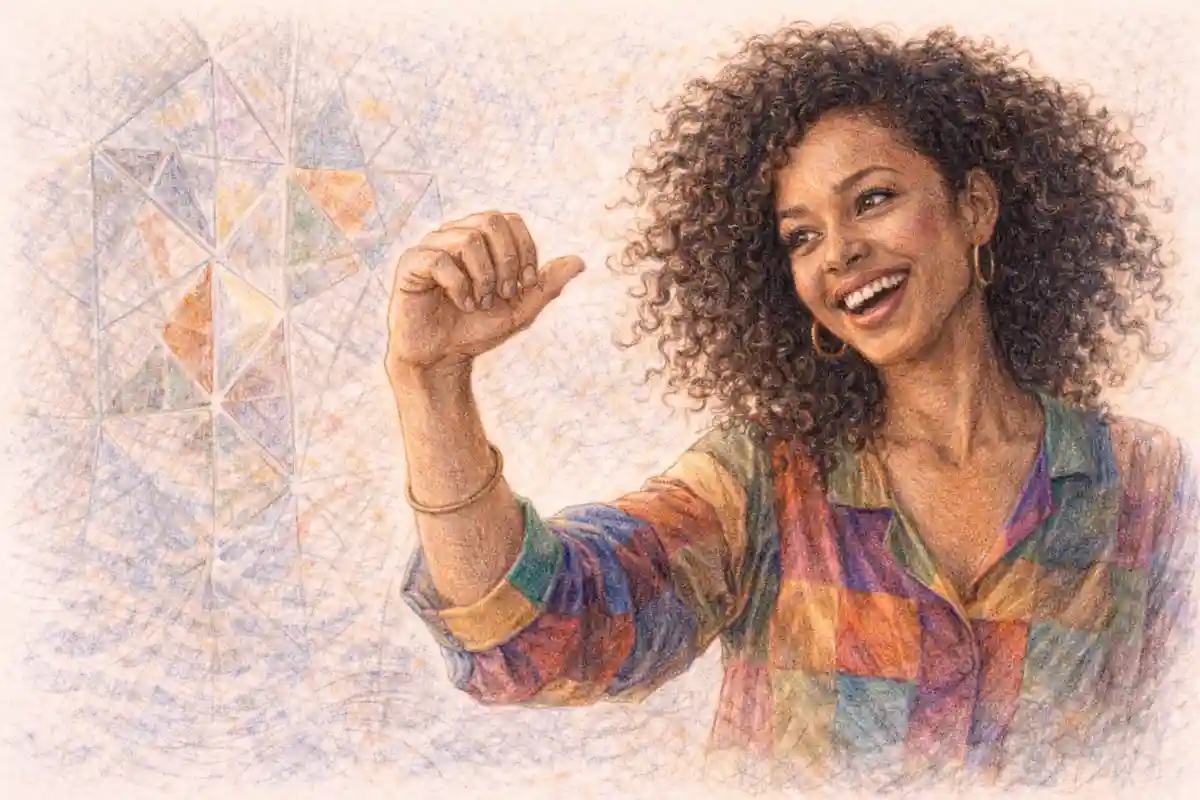
He is the legitimate son of the Earl of Gloucester who begins the tragedy as the naive young nobleman whose trust in his brother Edmund makes him the easiest target of the forged letter scheme, who is driven from his father’s household into the coverd exile that produces the Poor Tom persona, who adopts the feigned madness of a bedlam beggar as the strategy that conceals his selfhood while exposing him to the most extreme circumstances of physical and psychological privation the tragedy depicts, who encounters King Lear on the heath in a passage that brings the displaced monarch and the coverd heir together at the lowest points of their respective trajectories, who guides his blinded father through the Dover cliff episode that represents among the most philosophically charged passages in the canon, who progressively sheds his masking across the concluding acts as the circumstances for his emergence change, who defeats Edmund in the trial by combat that resolves the fraternal conflict, and who speaks the concluding lines of the tragedy as the man to whom the institutional authority of the devastated realm is apparently being transferred. The trajectory from naive son to personad beggar to patient guide to avenging combatant to inheriting authority is the most radical character metamorphosis any figure undergoes in the canon.
The argument this analysis advances is that Edgar is the man whose metamorphosis across the length of the tragedy demonstrates what sustained masking does to the selfhood of the man who maintains it, whose adoption of the Poor Tom persona places him in the circumstances of absolute deprivation that produce the perceptions the naive nobleman could never have achieved, whose patient guidance of his blinded father represents the sustained exercise of filial devotion under circumstances that require the cover of the very identity through which the devotion would normally be expressed, whose victory over Edmund in the trial by combat resolves the fraternal conflict the forged letter had initiated, and whose concluding position as the apparent inheritor of the realm’s authority raises the question of whether the man who has undergone the most radical metamorphosis is also the man best prepared for the governance the concluding crisis demands. He is not the tragic protagonist of the tragedy, since that role belongs to Lear. He is the man whose trajectory runs parallel to and eventually intersects with the protagonist’s, whose metamorphosis provides the subplot’s concentrated arc, and whose emergence at the final represents whatever institutional continuity the tragedy permits to survive the general catastrophe.
Within this framework, the dimension of radical transformation is what gives the character his singular importance in the canon. Other Shakespearean figures undergo persona, but the cover typically operates as a temporary masking that the man eventually sheds to return to the identity the cover had protected. Edgar’s persona operates differently. The cover is so extensive, so prolonged, and so immersive that the man who emerges from it is not the same figure who entered it. The naive son who fled his father’s household is not the man who speaks the final lines. The transformation has produced a distinct person, one whose qualities include everything the naive son lacked and whose perspective has been reshaped by the circumstances the cover required him to endure.
The Architectural Function in the Tragedy
Beyond this point, the first feature to establish about Edgar is the scope of his structural placement across the tragedy. He appears in every act, undergoes the most extensive physical and psychological transformation of any character, and occupies the final position that the departing institutional authority must be transferred to. His presence is sustained but protean, with his identity shifting through multiple forms across the acts: naive son, fugitive, feigned madman, personad guide, anonymous combatant, revealed brother, and inheriting governor. Each form operates in a distinct dramatic register, and the succession of forms is among the tragedy’s most carefully constructed sequences.
Considered closely, the second architectural feature concerns the relationship between his trajectory and Lear’s. Both begin in positions of security that the opening act destroys. Both are driven into circumstances of extreme deprivation during the central acts. Both encounter each other on the heath at the lowest points of their respective descents. Both undergo transformations through their sufferings that the earlier secure positions had prevented. The parallel is structural instead of coincidental, with the tragedy deliberately positioning the two trajectories to illuminate each other across the dual-plot construction.
By implication, the third architectural function concerns his role as the bridge between the subplot and the main plot during the heath scenes. His persona as Poor Tom places him in the presence of both Lear and Gloucester at crucial moments, connecting the two plots through his physical presence while the cover prevents either father from recognizing the legitimate son who stands before them. The bridging function is accomplished through the paradox of concealed identity: he is present to both fathers as a stranger, serving each while being recognized by neither.
Critically, the fourth function concerns his role as the man whose multiple identities create the tragedy’s most sustained exercise of dramatic irony. The audience knows who he is throughout, while the characters on stage do not. The knowledge gap produces the irony that characterizes every scene in which he appears in persona, with the audience perceiving the filial devotion that the concealmentd appearance prevents the other characters from perceiving. The sustained irony is one of the tragedy’s most carefully maintained effects, operating across multiple acts without being released until the combat revelation in the closing act.
Notably, the fifth architectural feature concerns his role as the guide who manages his blinded father’s journey through the Dover cliff episode. The episode is one of the most philosophically complex passages in the canon, with Edgar staging the fictional cliff for Gloucester’s attempted suicide and managing the aftermath through the fiction that the survival represents miraculous intervention. The philosophical complexity of the episode depends on Edgar’s presence as the managing figure, and his role as the manager is one of the most demanding the tragedy assigns to any character.
In structural terms, the sixth function concerns his role as the individual who speaks the closing lines of the play. The assignment of the closing lines is significant in Shakespearean practice, since the closing speaker is typically the individual who will govern the realm that the tragedy has devastated. Edgar’s closing lines, which speak of the weight of the sad time and the obligation to speak what we feel rather than what we ought to say, establish the thematic register of the tragedy’s final statement and position him as the individual whose voice will carry whatever institutional authority the general catastrophe has left intact.
Read carefully, the seventh architectural function addresses the relationship between his transformation and the tragedy’s broader examination of what human existence consists of when the institutional supports have been removed. His adoption of the Poor Tom persona places him in the circumstances of bare existence that Lear will encounter on the heath, and his prior inhabitation of those circumstances is what allows him to function within them while Lear is overwhelmed. The prior inhabitation is therefore a form of preparation, with the concealment providing the exposure to circumstances that the naive nobleman would not otherwise have encountered.
The Naive Son and the Vulnerability to Edmund’s Scheme
The opening acts present Edgar as the legitimate son whose trust in his brother makes him the easiest target of the forged letter scheme, and the quality of his vulnerability deserves examination because it establishes the baseline from which the subsequent transformation will be measured. He is presented as a young nobleman whose experience has not prepared him for the deception his brother is about to conduct, whose trust in familial bonds reflects the assumptions of someone who has never had reason to question them.
Within this framework, his susceptibility to Edmund’s manipulation is revealed through the speed with which he accepts the manufactured circumstances. Edmund tells him that their father is angry with him and that he should avoid the household until the anger subsides. Edgar accepts the advice without the questioning that a more experienced figure might have applied. The acceptance is not the result of stupidity but of the inexperience that his sheltered position has produced. He has lived within the protected environment of his father’s household, has had no occasion to develop the suspicious awareness that figures exposed to deception learn to maintain, and the absence of this awareness is what makes the manufactured circumstances effective against him.
By design, the contrast between his vulnerability and Edmund’s sophistication in the opening acts is one of the structural devices through which the play establishes the differences between the two brothers. Edmund operates with the strategic precision of a man who has been thinking about the social structure and his place within it for an extended period. Edgar operates with the unexamined trust of a man who has never had reason to think about either. The contrast illuminates the relationship between social position and the development of strategic awareness, with the secure position producing the trust that the marginal position has been unable to afford.
Critically, his decision to flee rather than to investigate the circumstances of his father’s anger is the act that initiates the transformation the subsequent acts will depict. The decision is comprehensible given the information he has received, but it is also the act that removes him from the institutional context within which his identity is recognized and places him in the circumstances where persona becomes necessary. The removal from institutional context is what the play requires for the transformation to begin, and the decision to flee is the mechanism through which the removal is accomplished.
By implication, the vulnerability also establishes the moral baseline against which the subsequent development will be measured. The naive son who trusts too readily is the starting point; the man who speaks the closing lines is the endpoint. The distance between the two is the measure of what the transformation has accomplished, and the distance is considerable. The naive trust of the opening must give way to the experienced perception of the closing, and the transformation between the two is what the central acts are designed to produce.
In structural terms, the vulnerability also raises questions about what kind of figure Gloucester’s household had been producing. Edgar’s unexamined trust reflects the educational quality of the household in which he was raised. Gloucester’s own credulity, which allows him to accept the forged letter without investigation, suggests that the household produces figures whose trust in appearances extends to the point of vulnerability. The shared vulnerability of father and son is one of the subplot’s structural features, with both figures being displaced through the exploitation of the same quality of unexamined trust.
Read carefully, the vulnerability also provides the material for the tragedy’s observation about how institutional positions can produce the complacency that makes the positions vulnerable. Edgar’s position as legitimate heir has produced the sense of security that the position seemed to warrant. The sense of security produced the complacency that prevented the questioning the deception would have required. The complacency is therefore the product of the position, and the vulnerability is the product of the complacency. The circular relationship between position, complacency, and vulnerability is one of the play’s observations about how secure positions tend to produce the circumstances for their own destruction.
The seventh aspect of the vulnerability addresses what it accomplishes for the audience’s preparation for the transformation that follows. The audience has been shown a man whose qualities include trust, inexperience, and sheltered innocence. The subsequent transformation will replace these qualities with their opposites: the experienced awareness that sustained concealment produces, the perception that extreme circumstances develop, the seasoned judgment that patient endurance through adversity creates. The preparation ensures that the audience perceives the transformation as a genuine change rather than as the revelation of qualities that were always present, and the perception of genuine change is what gives the transformation its full weight.
The Poor Tom Disguise and Its Functions
The adoption of the Poor Tom persona is the foundational act of Edgar’s transformation and one of the most complex persona strategies in the canon. He assumes the identity of a bedlam beggar, a man from the margins of Jacobean society whose feigned madness and physical deprivation provide the concealment his situation requires. The adoption is more extensive than any other masquerade in the Shakespearean canon, involving not merely the alteration of appearance but the comprehensive assumption of a different identity that includes a different voice, a different body, a different relationship to the world.
By design, the soliloquy in which Edgar announces his decision to adopt the concealment reveals the strategic thinking the decision addresses. He has determined that the safest form his concealment can take is the lowest form the social hierarchy contains, reasoning that no one will look for the legitimate heir of Gloucester in the figure of a nearly naked bedlam beggar. The reasoning demonstrates that the naive son of the opening acts has already begun the transformation that the central acts will continue, with the strategic assessment representing a quality of perception that the earlier naive trust did not include.
Within this framework, the physical dimension of the concealment deserves attention. Edgar strips himself of his clothes, covers his body with mud and self-inflicted wounds, and presents himself in the condition of nearly absolute physical deprivation. The physical transformation is the most extreme any Shakespearean character undergoes, exceeding even Lear’s progressive removal of his garments on the heath. The extremity of the physical transformation is part of what makes the concealment effective, since the physical presentation is so far removed from what Edgar’s actual identity would suggest that no observer could connect the two.
Critically, the voice Edgar adopts in the concealment is one of the most elaborately constructed vocal performances in the canon. He speaks in a stream of fragmented references to demons, to punishments, to sins, to the various spiritual torments that the period associated with bedlam condition. The vocal construction is remarkable in its sustained inventiveness, with the speeches maintaining the feigned madness across multiple scenes without breaking the consistency of the persona. The sustained consistency demonstrates an imaginative capacity that the naive son of the opening acts had not been required to display.
By implication, the concealment also serves the structural function of placing Edgar in the circumstances that Lear will encounter on the heath, but in advance of Lear’s arrival. When Lear encounters Poor Tom in the hovel, he is encountering a man who has already been inhabiting the circumstances of extreme deprivation that Lear is just beginning to experience. Edgar’s prior inhabitation of these circumstances is what allows him to function within them while Lear is overwhelmed, and the prior inhabitation is therefore a form of preparation that the play exploits when the two trajectories converge.
In structural terms, the encounter between Lear and Poor Tom on the heath is one of the most structurally important moments in the play. Lear perceives in Tom the figure of unaccommodated man, the bare forked animal whose existence represents the irreducible condition that lies beneath the accidents of office and property. The perception is one of the central insights Lear achieves during his madness, and the perception depends on Edgar’s presence in the concealment that provides its occasion. Edgar’s masquerade is therefore the catalyst for one of the main plot’s central philosophical moments, with the subplot’s strategy providing the main plot with the material for its deepest insight.
Read carefully, the concealment also raises questions about what the sustained immersion in the circumstances of extreme deprivation does to the identity of the figure who maintains it. Edgar inhabits the Poor Tom persona across multiple scenes and multiple days of dramatic time. The sustained inhabitation addresses not merely the performance of the persona but the experience of the circumstances the persona inhabits: the cold, the exposure, the social invisibility, the proximity to the genuine suffering of the figures he encounters. The question is whether the sustained experience produces changes in Edgar’s identity that persist after the concealment is eventually shed, and the play suggests through the quality of his subsequent conduct that the experience has indeed produced lasting changes.
The seventh aspect of the masquerade concerns its relationship to the play’s broader treatment of the distinction between appearance and reality. The tragedy is sustained throughout by the tension between what figures appear to be and what they actually are. Goneril and Regan appear devoted but are cruel. Cordelia appears defiant but is loving. Edmund appears loyal but is treacherous. Edgar appears mad but is sane, appears to be nobody but is the legitimate heir, appears to be the lowest figure in the social hierarchy but is the figure who will eventually inherit whatever authority the catastrophe leaves intact. His masquerade is therefore the concentrated instance of the play’s broader engagement with how appearances can be deliberately constructed to conceal realities that the appearances would not predict.
The Guidance of Gloucester and the Dover Cliff Episode
The guidance of the blinded Gloucester through the Dover cliff episode is one of the most philosophically complex passages in the canon, and Edgar’s role as the managing figure deserves close examination because the episode raises questions about deception, mercy, and the relationship between fiction and truth that extend beyond the immediate situation the passage depicts. Gloucester has been blinded through the betrayal Edmund engineered. He has been turned out of his own household. He has encountered Edgar in his Poor Tom masquerade without recognizing his own son. He has asked to be led to the cliffs of Dover, where he intends to throw himself from the heights to end the suffering his blinding has produced.
Through this device, the first element of the episode involves Edgar’s decision to manage the situation rather than to reveal himself. He could have disclosed his identity and addressed his father’s despair directly. He does not. Instead, he leads his father to a flat piece of ground while describing the imagined heights of the cliff in language so vivid that Gloucester believes himself to be standing at the edge of the precipice. The decision to manage through fiction rather than through disclosure is one of the most debated elements of the episode, with the debate centering on whether the decision represents compassionate intervention or manipulative control.
When examined, the fiction Edgar constructs is one of the most elaborately detailed pieces of descriptive language in the canon. He describes the view from the imagined cliff top with precision: the fishermen appearing as small as mice, the ships at anchor appearing like their boats, the sounds of the sea at the base of the cliff being inaudible from such height. The descriptive precision is what makes the fiction convincing to the blinded Gloucester, who cannot verify the description through his own perception and must rely entirely on the verbal construction Edgar provides. The reliance demonstrates how the loss of sight has produced the dependence on verbal testimony that the episode exploits.
Functionally, Gloucester’s leap from the imagined cliff is the physical act that the fiction has been designed to produce. He throws himself forward, falls to the flat ground, and is stunned by the impact. Edgar then assumes a different voice, that of a stranger who has witnessed the fall from below, and tells Gloucester that he has miraculously survived a fall from the heights of the cliff. The double fiction, the constructed cliff and the constructed miracle, is designed to produce in Gloucester the belief that his life has been preserved through divine intervention, and the belief is intended to replace the despair that had motivated the attempted suicide with the acceptance that the continuation of life represents the will of the powers that preserved it.
By design, the philosophical complexity of the episode involves the question of whether benevolent deception is morally defensible. Edgar deceives his father in order to save his father’s life. The deception involves the construction of an elaborate fiction that the blinded father cannot verify. The benevolent purpose does not eliminate the deceptive means, and the question of whether the benevolent end justifies the deceptive method is one of the interpretive problems the episode raises without resolving. The episode is therefore a concentrated engagement with the ethics of beneficent deception, and Edgar’s role as the deceiver is what makes the engagement possible.
In structural terms, the episode also reveals something important about how Edgar’s masquerade has been shaping his capacities. The naive son of the opening acts could not have constructed the elaborate fiction the episode requires. The figure who constructs it has been developing the imaginative and strategic capacities that the sustained concealment has been producing. The episode therefore demonstrates the specific capacities the transformation has generated, with the elaborate fiction being the concentrated display of what the sustained experience of the persona has made possible.
Read carefully, the episode also raises questions about Edgar’s reasons for maintaining the persona rather than revealing himself to his father. The maintenance of the persona through the episode and beyond has been variously interpreted. Some readings argue that Edgar maintains the persona because revealing himself would produce a shock that Gloucester’s condition could not survive. Other readings argue that Edgar maintains the persona because the disclosure of identity is not something that should occur at the moment of Gloucester’s maximum vulnerability. Other readings argue that the maintenance reflects Edgar’s own difficulty in resuming the identity the masquerade had replaced, that the sustained inhabitation of the persona has produced a form of identity confusion that the simple act of disclosure cannot resolve. Each reading has textual support, and the play allows multiple interpretations to operate simultaneously.
The seventh aspect of the episode involves what it contributes to the play’s broader examination of how fiction and truth relate to each other. The fiction Edgar constructs saves his father’s life. The truth Edgar conceals, his own identity, is the element whose revelation he judges would be more harmful than helpful at this stage. The episode is therefore examining a situation in which fiction serves beneficial purposes and truth serves potentially harmful ones, and the examination complicates the conventional assumption that truth is always preferable to fiction. The complication is one of the play’s philosophical contributions, and Edgar’s role in the episode is what makes the contribution possible.
The Shedding of Disguise and the Emergence
The progressive shedding of the Poor Tom masquerade across the fourth and fifth acts is one of the most carefully calibrated elements of Edgar’s trajectory, and the progression deserves examination because the shedding is not accomplished in a single act of revelation but through a graduated sequence that tracks the changing conditions for his emergence.
By design, the first stage of the shedding involves the shift from the bedlam beggar persona to the peasant guide who leads Gloucester after the Dover cliff episode. Edgar no longer speaks in the fragmented voice of Poor Tom but adopts a different regional dialect that presents him as a country figure rather than a mad beggar. The shift demonstrates that the masquerade is not a fixed condition but an adaptable strategy, with the form of concealment being adjusted to the requirements of the changing situation.
Within this framework, the second stage involves the assumption of the anonymous knight identity for the trial by combat with Edmund. Edgar appears in armor with his face concealed, challenges Edmund in formal terms, and fights the combat as an unknown figure whose identity will be revealed only after the combat’s conclusion. The armored anonymity represents a further stage of the emergence, with the figure moving from the absolute deprivation of Poor Tom through the intermediate concealment of the peasant guide to the martial authority of the anonymous knight. Each stage brings him closer to the identity the disguise had replaced, with each intermediate form being the appropriate concealment for the conditions the stage occupies.
Critically, the revelation of identity that follows the combat is one of the most emotionally charged moments of the closing act. Edgar removes the concealment, identifies himself to the dying Edmund, and tells the story of his journey from the moment of his displacement through the disguise and the guidance of Gloucester to the present moment. The telling operates as the narrative reconstruction of the transformation, with the story providing the verbal account of what the play has been depicting through dramatic action. The reconstruction is important because it makes visible to the other characters what the audience has been witnessing throughout, converting the private knowledge the dramatic irony had maintained into the public knowledge the closing resolution requires.
By implication, the revelation also involves the telling of Gloucester’s death, which occurs at the moment when Edgar finally discloses his identity to his father. The disclosure produces a response so overwhelming that Gloucester’s heart bursts from the combined pressure of joy and grief, the joy of the recognition and the grief of the realization that his blindness had prevented him from perceiving his son’s presence throughout the period of his suffering. The death through the disclosure is one of the most devastating moments of the subplot, demonstrating that the revelation of truth can itself be the instrument of destruction when the truth arrives in conditions of extreme emotional vulnerability.
In structural terms, the progressive shedding also reflects the play’s broader treatment of how identity is constructed through the conditions within which it operates. Edgar’s identity is not a fixed property that the disguise merely conceals; it is a quality that the disguise has been reshaping through the sustained immersion in conditions the identity had not previously encountered. The emergence is therefore not the return to the earlier identity but the appearance of a new identity that includes the earlier one while exceeding it through the accumulated experience the disguise has provided. The emergence produces a different Edgar than the one who entered the disguise, and the difference is the specific content of the transformation the play has been depicting.
Read carefully, the progressive shedding also raises the question of what each stage of the disguise has contributed to the figure who eventually emerges. The Poor Tom stage contributed the experience of absolute deprivation. The peasant guide stage contributed the practice of patient filial devotion under conditions of concealment. The anonymous knight stage contributed the willingness to risk physical confrontation in service of justice. Each stage has developed a different capacity that the emerging figure possesses, and the accumulation of capacities across the stages is what produces the comprehensive preparation that the closing position apparently requires.
The seventh aspect of the emergence involves the question of whether the figure who speaks the closing lines is prepared for the governance the closing position demands. The closing lines speak of obligation to express what is genuinely felt rather than what convention dictates, and the obligation reflects the lessons the transformation has produced. Yet the lines also speak of the weight of the sad time, and the weight suggests that the preparation the transformation has provided may not be sufficient for the governance the devastated realm requires. The question of sufficiency is left deliberately open, with the play declining to confirm that the transformation has produced the figure the governance needs.
The Moral Education Through Extreme Conditions
The relationship between the extreme conditions Edgar endures and the moral perceptions those conditions produce deserves closer treatment than any single passage of the tragedy provides, because the depth of this relationship is part of what gives his trajectory its full weight. The tragedy has been arguing throughout the central acts that exposure to conditions of deprivation generates perceptions that privileged positions prevent, and Edgar’s trajectory is the concentrated instance through which this argument operates in the subplot.
Among these elements, the first dimension involves what the Poor Tom experience teaches about the conditions of the genuinely destitute. Edgar’s adoption of the bedlam beggar persona places him among the figures whose existence the stable social order had rendered invisible to him. As the legitimate son of an earl, he had never been required to attend to the conditions in which bedlam beggars and wandering poor actually lived. The sustained immersion in those conditions produces the awareness that the privileged position had blocked, with the awareness being one of the capacities that the emerging individual will possess after the masquerade has been shed.
Once again, the second dimension involves the relationship between the feigned madness and the real suffering the feigned madness must coexist with. Edgar performs the appearance of derangement while remaining inwardly sane, but the conditions within which the performance operates include genuine cold, genuine hunger, genuine exposure to the elements. The gap between the feigned interior and the genuine exterior conditions is one of the psychological challenges the sustained concealment imposes, and the management of this gap across multiple scenes demonstrates capacities of self-regulation that the naive son of the opening acts did not possess.
By design, the third dimension involves what Edgar observes about other people while inhabiting the Poor Tom persona. The bedlam beggar occupies a position of social invisibility that allows observation without the distortions that recognized social position produces. People behave differently in the presence of a recognized earl’s son than they do in the presence of a figure they regard as beneath notice. The observational position the concealment provides is therefore a form of privileged access to how people actually behave when they are not performing for the audience they believe is watching them. The observations Edgar accumulates from this position are part of what shapes the perceptions he carries into the concluding stages.
Critically, the fourth dimension involves the encounter with Lear on the heath as the specific moment when the education through extreme conditions reaches its most concentrated expression. Lear perceives in Poor Tom the image of unaccommodated humanity, but the encounter also educates Edgar by exposing him to the spectacle of a monarch reduced to the same conditions he himself has been inhabiting. The reciprocal quality of the education, with each man learning from the other’s presence without either recognizing the other’s actual identity, is one of the tragedy’s most complex structural achievements.
By implication, the fifth dimension involves how the accumulation of experiences across the different stages of the concealment produces the comprehensive education the concluding position apparently requires. The Poor Tom stage teaches what absolute deprivation involves. The guidance of Gloucester teaches what patient filial service requires under impossible conditions. The Dover cliff management teaches what benevolent decision-making looks like when the available options are all imperfect. The trial by combat teaches what physical confrontation in service of justice demands. Each stage contributes a different dimension to the education, and the accumulation produces the preparation that no single experience could have provided.
In structural terms, the sixth dimension involves the question of whether the education is available to figures who have not undergone comparable conditions. If the education requires the specific exposure the tragedy depicts, then the education cannot be acquired through instruction or through the observation of others’ conditions. The requirement of direct experience is one of the tragedy’s most demanding implications, suggesting that the perceptions the education produces are not transferable through language or through secondhand accounts but must be generated through the specific conditions the tragedy presents. The implication connects to the main plot’s treatment of Lear, whose own education similarly requires the direct exposure that his earlier position had prevented.
Read carefully, the seventh dimension involves what the education costs. The naive son who entered the concealment possessed the innocence and the trust that the sheltered position had produced. The individual who emerges possesses the experience and the perception that the extreme conditions have generated. The exchange is not costless: the innocence has been permanently lost, the trust has been replaced by the more complex awareness that sustained concealment develops, and the simplicity of the earlier position has given way to the complicated understanding that the accumulated experiences produce. The cost is part of what the trajectory’s weight includes, and the recognition of the cost is part of what the concluding lines register through their tone of exhausted honesty rather than of triumphant authority.
The Fraternal Conflict as Mirror of the Main Plot
The conflict between Edgar and Edmund operates as the sustained mirror of the main plot’s familial dynamics, and the mirroring deserves more concentrated treatment because the precision of the parallel is one of the tragedy’s most carefully constructed structural features. The main plot depicts a father who misjudges his children, rewarding flattery while punishing honesty. The subplot depicts a father who misjudges his children, accepting manufactured evidence while ignoring the genuine loyalty the displaced son maintains throughout.
Within this framework, the first parallel involves the credulity of the two fathers. Lear accepts the performed flattery of Goneril and Regan at face value. Gloucester accepts the forged evidence against Edgar at face value. Both fathers fail to investigate what they have been presented with, both accept appearances as realities, and both are destroyed through the consequences of the acceptance. The parallel demonstrates that the mechanism through which familial bonds are destroyed operates identically in both plots, with the substitution of appearance for reality being the foundational error that both plots examine.
Once again, the second parallel involves the displacement of the loyal children. Cordelia is disinherited and banished through the opening ceremony. Edgar is driven into exile through the forged letter scheme. Both loyal children are removed from the households where their presence might have mitigated the subsequent deterioration, and both removals create the conditions under which the disloyal children can operate without the restraint the loyal children’s presence would have provided. The parallel demonstrates that the removal of loyal family members is the structural prerequisite for the exploitation that follows in both plots.
By design, the third parallel involves the eventual return of the loyal children. Cordelia returns from France with armed forces. Edgar returns from concealment through the progressive shedding of his persona. Both returns represent the intervention of genuine loyalty into situations that performed loyalty has corrupted, and both returns produce the confrontations that the concluding act requires. Yet the outcomes of the returns differ: Cordelia is captured and executed, while Edgar prevails in combat and inherits authority. The divergence within the parallel is one of the most significant structural features of the dual-plot construction, demonstrating that identical patterns can produce different outcomes depending on the specific conditions within which they operate.
Critically, the fourth parallel involves the recognition scenes in which the fathers discover the truth about their children. Lear’s recognition of Cordelia’s genuine love occurs in the reunion of the fourth act. Gloucester’s recognition of Edgar’s loyalty occurs at the moment of the identity disclosure that produces his death. Both recognition scenes involve the father achieving the perception that the opening misjudgment had prevented, and both demonstrate that the achievement of perception can arrive too late to produce the restorative outcome the perception would seem to warrant.
In structural terms, the fifth parallel involves the relationship between the loyal and disloyal children within each family. Cordelia’s honesty is mirrored by Edgar’s loyalty. Goneril and Regan’s performed flattery is mirrored by Edmund’s manufactured evidence. The good children and the bad children are distributed across both families in the same pattern, and the pattern demonstrates that the dynamics the tragedy examines are general rather than particular to any single family. The generality is what the dual-plot construction establishes, and the fraternal conflict between Edgar and Edmund is one of the primary vehicles through which the establishment operates.
Read carefully, the sixth parallel involves the concluding fates of the disloyal children. Goneril poisons Regan and then kills herself. Edmund is mortally wounded by Edgar in combat. The disloyal children in both families are destroyed through the consequences of their own actions, with the destruction being accomplished through different mechanisms but producing equivalent outcomes. The parallel in the concluding fates reinforces the structural argument that the dynamics operating in both plots produce comparable consequences regardless of the specific mechanisms through which they operate.
The seventh aspect of the fraternal mirror involves what it contributes to the audience’s understanding of the tragedy’s broader argument. The dual-plot construction argues through its structure that the dynamics of familial misjudgment, the displacement of loyal children, the exploitation by disloyal children, the eventual recognition and restoration, are not unique to any particular family but are general patterns that operate across different familial configurations. The argument is structural rather than thematic, made through the parallel construction rather than through any explicit statement, and the fraternal conflict is one of the primary vehicles through which the structural argument operates.
Performance History and Modern Interpretations
The performance history of Edgar across four centuries has produced interpretations of remarkable range, with each period finding in him different aspects to emphasize. The variations illuminate how shifting cultural assumptions about disguise, endurance, and the relationship between suffering and authority have shaped how the character has been understood.
When examined, the seventeenth and eighteenth centuries tended to present Edgar primarily as the loyal son whose disguise provided the dramatic business the subplot required. Productions from this period often emphasized the theatrical dimensions of the Poor Tom performance, with actors finding in the feigned madness the opportunity for the kind of extravagant physical and vocal display that the conventions of the period encouraged. The philosophical dimensions of the Dover cliff episode and the transformative implications of the sustained concealment received less attention than the theatrical opportunities the role provided.
Through this device, the nineteenth century began attending more carefully to the transformative implications of the trajectory. Critics began recognizing that the sustained concealment produced changes in the character that exceeded the functional requirements of concealment, that the figure who emerged from the disguise was not the same figure who had entered it. The recognition produced more psychologically nuanced presentations that found in the trajectory not merely the plot mechanics of concealment and revelation but the more demanding examination of how sustained immersion in conditions of deprivation reshapes the identity of the immersed figure.
Functionally, the twentieth century transformed the interpretation through various critical perspectives. Some productions emphasized the political dimensions of the trajectory, reading Edgar’s emergence as the inheritor of authority as the play’s statement about what kind of figure should govern in the aftermath of catastrophe. Other productions emphasized the philosophical dimensions, reading the Dover cliff episode as the play’s concentrated engagement with questions about deception, mercy, and the relationship between fiction and truth. Other productions emphasized the psychological dimensions, exploring how the sustained disguise produces the identity changes that the trajectory depicts.
By implication, late twentieth and early twenty-first century productions have brought further range. Some productions have emphasized the physical demands of the role, presenting the transformation through the specific physical changes the body undergoes across the acts. Other productions have emphasized the vocal dimensions, exploring how the different voices Edgar adopts across the different stages of his concealment reflect the different identities the stages produce. Other productions have explored the relationship between Edgar and Edmund as the central dynamic of the subplot, reading the fraternal conflict as the concentrated instance of how legitimacy and illegitimacy compete within the same familial structure.
Among these elements, particular actors have shaped how subsequent audiences understand the character. The physical transformation required by the Poor Tom scenes, the vocal range required by the different disguise stages, the emotional intensity required by the Gloucester guidance scenes, each of these demands produces different responses from different actors, and the specific response shapes the production’s treatment of the character.
In structural terms, the staging of the Dover cliff episode has become one of the most significant directorial choices in any production. The episode can be staged with the audience seeing exactly what is occurring, with the flat ground being visible as Edgar describes the imagined heights. Or the episode can be staged with more ambiguity, allowing the audience to experience some of the disorientation that Gloucester experiences. Each staging produces a different relationship between the audience and the fiction Edgar has constructed.
The seventh aspect of performance history involves how the closing lines are delivered. The lines can be delivered as the statement of authority that the inheriting figure must provide. Or the lines can be delivered as the exhausted reflection of a figure whose transformation has produced wisdom but has also produced the weariness that the accumulated experience generates. Each delivery produces a different closing impression, and the choice is among the most consequential decisions any production faces.
Why Edgar Still Matters Today
The continued cultural force of Edgar across four centuries suggests that the figure addresses concerns more permanent than the anxieties of any one period. What he embodies has not become obsolete because the conditions that make his story possible have not become obsolete. Figures unjustly displaced from their positions still must find strategies for survival that conceal their identities while preserving their capacities. Sustained immersion in conditions of deprivation still produces changes in the identities of those who endure them. The patient exercise of devotion under conditions that prevent its recognition still characterizes many human situations. The question of who should inherit authority in the aftermath of catastrophe still demands attention.
Practically considered, the most distinctive aspect of his contemporary relevance involves the question of how sustained adversity transforms the identities of those who endure it. The naive son who enters the disguise is not the figure who emerges from it, and the difference between the two is the measure of what the adversity has accomplished. The pattern of adversity producing transformation is recognizable in many contemporary contexts where figures who have endured extreme conditions emerge with capacities and perceptions that their prior comfortable positions had not produced.
In structural terms, his story also illuminates the dynamics of how disguise functions not merely as concealment but as the condition for new forms of experience that the undisguised identity could not have accessed. The Poor Tom persona exposes Edgar to conditions he would never have encountered as the Earl of Gloucester’s heir, and the exposure generates the perceptions that the privileged position had prevented. The pattern of disguise enabling access to otherwise inaccessible experience is recognizable in many contemporary contexts where figures who step outside their ordinary positions encounter conditions that reshape their understanding.
By design, his story also addresses the question of what filial devotion looks like when it must operate through concealment rather than through direct expression. His guidance of blinded Gloucester through the Dover cliff episode is the sustained exercise of devotion under conditions that require him to conceal the very identity through which the devotion would normally be expressed. The pattern of concealed devotion operating through indirect means is recognizable in many contemporary contexts where figures serve those they care about without being able to acknowledge the relationship that motivates the service.
The fourth dimension of contemporary relevance involves the question of what kind of figures should inherit authority in the aftermath of catastrophe. His transformation across the play has produced a figure whose experience includes the conditions of absolute deprivation, the practice of patient filial service, the willingness to confront injustice through physical combat, and the capacity to construct fictions that serve beneficial purposes. The combination of experiences is what positions him for the closing authority, and the question of whether such combinations actually prepare figures for governance remains relevant in contemporary contexts where the relationship between diverse experience and governing capacity is being examined.
In every case, the fifth dimension involves the question of whether benevolent deception is morally defensible. The Dover cliff episode raises this question through the fiction Edgar constructs to save his father’s life, and the question remains unresolved by the play. The pattern of benevolent deception operating in conditions where direct truth might produce harmful consequences is recognizable in many contemporary contexts, and the play provides one of the most carefully constructed treatments of the ethical tensions the pattern involves.
By implication, the sixth dimension involves the question of how the progressive shedding of disguise relates to the progressive construction of identity. Edgar does not simply remove the disguise to reveal the identity beneath. He moves through intermediate stages that each contribute different elements to the identity that eventually emerges. The pattern of identity being constructed through successive stages of experience rather than being revealed through the removal of concealment is one of the play’s philosophical observations, and the observation remains productive in contemporary contexts where identity is understood as constructed through experience rather than as fixed prior to experience.
The seventh dimension involves the play’s attention to how the closing lines establish the thematic register within which the aftermath of catastrophe should be processed. Edgar’s closing declaration that the weight of this sad time must be spoken, that what we feel must be expressed rather than what convention dictates, establishes the obligation of honest expression as the first principle of post-catastrophe governance. The establishment remains relevant in contemporary contexts where the aftermath of catastrophic events demands the honest acknowledgment of what has occurred rather than the conventional processing that institutional language typically provides.
Considered closely, the eighth dimension of contemporary relevance addresses the question of how sustained roleplay in extreme circumstances reshapes the psychology of the person who maintains it. Edgar inhabits the Poor Tom persona across an extended dramatic period, and the sustained inhabitation raises questions about what happens to identity when the performance becomes indistinguishable from the lived experience. The question is recognizable in contemporary contexts where individuals who adopt roles for extended periods discover that the roles have reshaped their self-understanding in ways that cannot be easily reversed when the role is concluded.
From this angle, the ninth dimension addresses the question of how communities should respond to individuals who have undergone radical transformations through adversity. Edgar emerges from his trajectory as a fundamentally different person than the one who entered it, and the community that receives the emerging individual must determine how to relate to someone whose identity has been constructed through experiences the community did not share and may not fully comprehend. The question remains relevant in contexts where individuals return from extreme experiences to communities that must accommodate the changes the experiences have produced.
Beyond this, the tenth dimension addresses the observation that the legitimate heir’s displacement by the illegitimate brother’s scheme produces the specific paradox of the rightful owner being forced into the condition of absolute dispossession. The paradox is productive because the dispossession generates the capacities that the rightful ownership alone did not develop, and the capacities are what eventually enable the restoration. The paradox remains relevant in contexts where displacement from legitimate positions generates the very qualities that the original positions had failed to produce in their occupants.
Most importantly, the eleventh dimension addresses the relationship between the verbal economy of the closing lines and the accumulated experience that produces them. Edgar’s final statement is compressed and measured, reflecting the verbal discipline that the sustained immersion in diverse persona voices has developed. The compression contrasts with the lavish declarations of the opening ceremony, establishing the verbal register appropriate to post-catastrophe governance as the opposite of the verbal register that produced the opening catastrophe. The contrast is part of how the tragedy argues for the primacy of honest, compressed expression over extravagant, performed declaration.
On balance, the twelfth dimension addresses the recognition that Edgar’s position as the concluding speaker establishes the precedent for what post-catastrophe leadership should prioritize. The instruction to speak genuine feeling rather than conventional obligation establishes honesty as the founding principle of whatever institutional reconstruction will follow. The precedent is relevant in contemporary contexts where the aftermath of catastrophic institutional failures demands honest accounting rather than the conventional language that institutional self-preservation typically produces. The instruction reflects the accumulated wisdom the trajectory has generated, compressed into the verbal economy that the sustained immersion in diverse vocal registers has developed.
Practically considered, the thirteenth dimension addresses the question of what constitutes adequate preparation for leadership in conditions of general crisis. Edgar’s preparation through adversity is unorthodox by any conventional measure of leadership development. He has not been trained through institutional channels, has not served in progressively responsible positions, has not demonstrated governance capability through conventional apprenticeship. His preparation is experiential rather than institutional, produced through the forced immersion in extreme circumstances rather than through the structured development that stable institutions provide. The question of whether experiential preparation through adversity can substitute for institutional preparation through structured development remains relevant in contemporary contexts where unconventional leaders emerge from circumstances that conventional leadership development would not have predicted.
From this angle, the fourteenth dimension addresses the specific observation that the most radical character metamorphosis in the canon occurs in the subplot rather than in the main plot. Lear undergoes a profound change, but the change operates within the same identity throughout. Edgar undergoes a change that involves the inhabitation of multiple identities across the trajectory, with the concluding identity being constructed from elements of all the preceding ones. The subplot’s metamorphosis is therefore more radical than the main plot’s change, and the positioning of the more radical metamorphosis in the secondary rather than the primary plot is itself a structural choice whose implications deserve recognition. The choice suggests that the most extreme transformations can occur outside the center of dramatic attention, and the suggestion extends the significance of the subplot beyond its function as the parallel reinforcement of the main plot’s concerns.
Most importantly, the fifteenth dimension addresses the recognition that Edgar’s trajectory contains within it the argument that the most authentic governing authority is produced through the accumulation of diverse experiences across the full range of human conditions. The conventional inheritor possesses the experiences that privileged position provides. The transformed inheritor possesses those experiences plus the experiences that displacement, deprivation, patient service, moral complexity, and physical confrontation have added. The addition is what produces the difference, and the difference is what the trajectory’s full arc has been constructed to demonstrate. The demonstration remains relevant in any contemporary context where the relationship between diverse experience and governing capacity is being examined.
Considered closely, the sixteenth dimension addresses the question of what it means for a literary character to undergo a metamorphosis so radical that the character who emerges bears only partial resemblance to the character who entered. The convention of character consistency, which most literary traditions maintain, is disrupted by Edgar’s trajectory, which presents a character whose fundamental qualities have been altered through the experiences the trajectory depicts. The disruption raises questions about whether character is better understood as a fixed property that different circumstances reveal or as a constructed quality that different circumstances produce. The tragedy argues for the constructive understanding, with the construction being accomplished through the specific stages the trajectory includes. The argument has implications for how contemporary readers understand the nature of character itself, with the constructive model suggesting greater plasticity and greater possibility for development than the fixed model allows.
By implication, the seventeenth dimension addresses the observation that Edgar’s verbal range across the trajectory, from the plain speech of the naive son through the fragmented utterances of Poor Tom through the regional dialect of the peasant guide through the formal challenge of the anonymous knight through the measured compression of the concluding speaker, represents the most extensive vocal range any single character displays in the canon. The vocal range is the auditory expression of the metamorphosis the visual presentation accompanies, with each vocal register reflecting the identity stage the voice expresses. The range has implications for performance, since the actor who plays Edgar must sustain the most technically demanding vocal progression in the canon while also maintaining the psychological coherence that connects the different voices to the single underlying identity.
The vocal range is therefore not merely the technical demand the role places on the actor but the auditory record of the metamorphosis the trajectory has been constructing, and the record provides the audience with the sustained experience of hearing a voice develop across the full range that human circumstance can produce. The development of the voice parallels the development of the character it expresses, with both operating as the ongoing construction that the accumulated stages have been building. The parallel between vocal development and character development is one of the tragedy’s most carefully maintained structural features, with the auditory dimension providing the continuous thread that connects the diverse stages the visual presentation displays as apparently discontinuous.
Challenging Conventional Wisdom About Edgar
Several conventional readings of Edgar have hardened into critical orthodoxy over the centuries, and each deserves examination because each contains assumptions the play does not fully support.
The first conventional reading holds that Edgar is essentially a passive figure whose trajectory is determined by circumstances rather than by his own choices. The reading has support in the fact that his displacement is produced by Edmund’s scheme rather than by his own actions. Yet the reading ignores the active choices he makes throughout the central and closing acts: the decision to adopt the disguise, the decision to guide Gloucester rather than to reveal himself, the decision to construct the Dover cliff fiction, the decision to challenge Edmund in combat. Each is an active choice that shapes his trajectory, and the reading that treats him as merely passive misses the agency the choices demonstrate.
Among these elements, the second conventional reading holds that Edgar’s sustained concealment from Gloucester is morally questionable, that a more devoted son would have revealed himself to provide the comfort that the blinded father required. The reading has support in the emotional cost the concealment imposes on Gloucester. Yet the reading applies a standard of devotion that ignores the conditions within which the devotion must operate. Revelation might have produced the shock that Gloucester’s condition could not have survived, and the concealment that delays the revelation is itself a form of protection. The tragedy’s confirmation of this concern through Gloucester’s death at the moment of eventual disclosure suggests that the concealment was justified by the conditions.
Functionally, the third conventional reading holds that the Poor Tom persona is essentially a theatrical device whose primary function is to provide the spectacular performance opportunities the role contains. The reading has support in the theatrical richness of the persona. Yet the reading treats the persona as decorative rather than functional, missing its structural role as the catalyst for Lear’s philosophical insights on the heath, as the condition that exposes Edgar to the experiences that produce his transformation, and as the specific disguise whose extremity ensures that no one will connect the bedlam beggar with the legitimate heir.
When examined, the fourth conventional reading holds that the Dover cliff episode is essentially a piece of trickery whose philosophical implications are secondary to its plot function of preventing Gloucester’s suicide. The reading has support in the narrative outcome the episode produces. Yet the reading misses the philosophical weight of the engagement with benevolent deception, with the relationship between fiction and truth, with the question of what means are justified by what ends. The episode is one of the most philosophically engaged passages in the canon, and the reading that treats it as merely trickery misses the engagement.
The fifth conventional reading holds that Edgar’s closing lines indicate his acceptance of the governing responsibility that Albany’s transfer implies. The reading has support in the conventional assignment of closing lines to the inheriting figure. Yet the reading ignores the specific content of the lines, which speak of weight and obligation rather than of ambition or readiness. The tone is exhausted rather than triumphant, and the reading that treats the closing lines as the confident acceptance of authority misses the exhaustion the tone conveys.
A sixth conventional reading holds that Edgar and Cordelia are essentially equivalent figures whose parallel trajectories produce equivalent outcomes. The reading has support in the structural parallels between the two honest children displaced by the opening errors. Yet the outcomes differ decisively. Cordelia returns and is killed. Edgar returns and inherits. The difference in outcomes means that the trajectories are parallel but not equivalent, and the reading that treats them as equivalent misses the divergence the play deliberately constructs.
A seventh conventional reading holds that the transformation from naive son to inheriting governor is essentially the standard heroic arc that many literary traditions depict. The reading has support in the structural progression from displacement through trial to eventual authority. Yet the reading normalizes a trajectory that the play presents as extreme and psychologically costly. The sustained inhabitation of the Poor Tom persona is not a conventional trial but an extreme immersion whose psychological costs the play registers. The reading that treats the trajectory as standard misses the extremity the play has deliberately produced.
Edgar Compared to Other Shakespearean Disguised Figures
Placing Edgar alongside other figures in the Shakespearean canon who employ sustained disguise clarifies what is distinctive about his case. The most obvious comparison is with Kent in the same play, who also adopts a disguise to serve the master who has banished him. Both Edgar and Kent are loyal figures displaced by the errors of the fathers they serve, and both adopt disguises that allow them to continue serving while the errors are being worked out. Yet the disguises differ in their extremity. Kent’s disguise is the relatively modest transformation from courtier to plain-spoken servant. Edgar’s disguise is the radical transformation from nobleman to bedlam beggar. The comparison illuminates how different degrees of disguise produce different qualities of experience for the disguised figure.
A second comparison can be drawn with Rosalind in As You Like It, whose adoption of the Ganymede persona in the forest of Arden provides the comparison of sustained disguise in a comedic context. Both Edgar and Rosalind sustain their disguises across multiple scenes while serving figures they care about. Yet the generic contexts produce different experiences. Rosalind’s disguise enables the romantic comedy of the forest sequences. Edgar’s disguise enables the philosophical engagement of the heath sequences. The comparison illuminates how the same basic strategy of sustained disguise can produce radically different dramatic effects depending on the genre within which the strategy operates.
One further third comparison involves the Duke in Measure for Measure, whose disguise as the friar allows him to observe the governance of Vienna while concealed. Both Edgar and the Duke are figures of legitimate authority who adopt disguises that allow them to observe the situations they will eventually govern. Yet the purposes differ. The Duke’s observation is surveillance of a governed situation. Edgar’s concealment is survival within a catastrophic situation. The comparison illuminates different purposes for which the same general strategy can be deployed.
Yet another further fourth comparison involves Viola in Twelfth Night, whose adoption of the Cesario persona produces the romantic complications the comedy requires. Both Edgar and Viola sustain disguises whose maintenance generates the dramatic effects their respective works exploit. Yet the effects differ. Viola’s disguise produces the romantic confusions that comedy resolves. Edgar’s disguise produces the philosophical engagements that the tragedy examines without resolution. The comparison illuminates how sustained disguise can serve either comic or tragic purposes depending on the dramatic context.
Yet another further fifth comparison involves Hamlet, whose adoption of the antic disposition represents another form of feigned madness deployed for strategic purposes. Both Edgar and Hamlet adopt feigned madness as strategic concealment, with both using the license of apparent derangement to operate within dangerous situations. Yet the purposes differ. Hamlet’s feigned madness provides the cover for investigation. Edgar’s feigned madness provides the cover for survival. The comparison illuminates how the same strategy of feigned derangement can serve different strategic purposes in different dramatic situations.
One further sixth comparison involves Portia in The Merchant of Venice, whose disguise as the young lawyer Balthasar enables the courtroom intervention that saves Antonio. Both Edgar and Portia are figures whose disguises enable the crucial interventions their respective plots require. Yet the interventions differ. Portia’s is the legal intervention that resolves the bond case. Edgar’s is the physical combat that resolves the fraternal conflict. The comparison illuminates how disguise can enable different kinds of crucial intervention in different dramatic contexts.
A seventh comparison involves Emilia in Othello, not as a disguised figure but as a figure whose role involves the concealed identity of being the unwitting instrument of another’s scheming. Both Edgar and Emilia operate in situations where their actual identities or roles are concealed from the figures they interact with. Yet the concealment operates differently. Edgar’s concealment is deliberate. Emilia’s is unwitting. The comparison illuminates the difference between deliberate and unwitting concealment and how each produces different kinds of dramatic irony.
The Question of Readiness for Authority
The question of whether Edgar is genuinely prepared for the governing responsibility the closing position implies deserves a more concentrated treatment than the closing lines alone provide, because the question of readiness is one of the interpretive problems the tragedy’s conclusion raises without definitively resolving.
Within this framework, the first dimension of the readiness question addresses what the accumulated experience has produced. The naive son has been replaced by an individual whose experiences include the inhabitation of absolute deprivation, the guidance of a blinded parent through morally complex situations, the construction of beneficial fictions, the willingness to confront injustice through physical combat, and the patience to maintain concealed devotion across extended periods. Each experience has contributed a different capacity, and the combination represents a more comprehensive preparation than any conventional training for governance could have provided.
Once again, the second dimension addresses what the accumulated experience has cost. The innocence of the opening acts has been permanently lost. The trust that characterized the naive son has been replaced by the more complicated awareness that sustained masking develops. The physical and psychological costs of the extended immersion in extreme circumstances have produced the exhaustion that the closing lines register. The readiness that the experience has generated coexists with the weariness the experience has imposed, and the coexistence is part of what the concluding position contains.
Critically, the third dimension addresses the question of whether the preparation through adversity is transferable to the governance of a realm. The capacities the adversity has developed, including perceptiveness, patience, strategic creativity, willingness to confront injustice, and the ability to construct beneficial fictions, are relevant to governance but are not identical with governance. The transition from the capacities to their application in the institutional context of rule requires additional qualities that the adversity alone may not have developed, and the tragedy leaves the question of whether the additional qualities will be forthcoming as one of its unresolved concluding problems.
By design, the fourth dimension addresses the comparison between Edgar’s preparation and the preparations of other concluding inheritors in the canon. Malcolm in the Scottish tragedy inherits after being tested through the England exile and the deception test Macduff administers. Fortinbras in Hamlet inherits through the military arrival that the concluding vacuum enables. Albany in the same tragedy is offered the authority but Edgar appears to receive the concluding commission. Each inheritor brings different preparations, and the comparison illuminates different ways that the canon positions its concluding authority figures.
In structural terms, the fifth dimension addresses the question of how the closing lines function as the statement of governance philosophy. The instruction to speak what we feel rather than what we ought to say establishes honest expression as the foundational principle of whatever governance the concluding position will produce. The principle is the direct response to the tragedy’s opening catastrophe, which was produced by the preference for performed language over honest expression. The principle therefore represents the specific lesson the tragedy has been teaching, and its articulation as governance philosophy suggests that the readiness includes at minimum the awareness of what produced the catastrophe and the commitment to preventing its recurrence.
Read carefully, the sixth dimension addresses the ambiguity of the concluding transfer itself. The text has been read as assigning the authority to Edgar, to Albany, or to both jointly, and the ambiguity about who exactly receives the authority is part of the tragedy’s refusal to provide the clean institutional resolution that conventional closing passages typically deliver. The ambiguity suggests that the governance of the aftermath may not be the straightforward assignment of authority the audience might expect, and the suggestion is consistent with the tragedy’s broader argument about how institutional authority operates in conditions of general catastrophe.
The seventh dimension of the readiness question addresses what it contributes to the audience’s departing experience. The audience leaves the tragedy with the awareness that the most transformed individual in the canon has been positioned for governance, that the preparation the transformation represents is substantial but may not be sufficient, that the exhaustion the transformation has imposed coexists with the wisdom it has produced, and that the question of whether the coexistence is adequate to the demands of post-catastrophe governance is deliberately left for the audience to contemplate. The contemplation is part of what the tragedy offers as its concluding engagement, and the irresolution is part of what makes the engagement demanding rather than comfortable.
The Weight of the Closing Lines
The closing lines Edgar speaks are among the most carefully positioned final statements in the canon, and their content deserves concentrated examination because the content establishes the thematic register of the play’s last word. The lines read: the weight of this sad time we must obey, speak what we feel, not what we ought to say, the oldest hath borne most, we that are young shall never see so much nor live so long. Each element of the statement contributes to the closing impression the play produces.
By design, the first element involves the acknowledgment of weight. The word weight captures the cumulative burden that the tragic events have produced, and the acknowledgment that the weight must be obeyed rather than resisted or processed establishes that the appropriate response to the catastrophe is to accept its burden rather than to convert it into something more manageable. The acceptance is the closing thematic statement, and it reflects the quality of honest engagement that the transformation has produced in the figure who speaks it.
Within this framework, the second element involves the obligation to speak what is genuinely felt rather than what convention dictates. The obligation reflects the lesson that the entire play has been teaching through its various trajectories: that performed speech produces catastrophe while honest speech produces the clarity that catastrophe requires. The obligation is therefore the concentrated statement of the play’s central concern, delivered by the figure whose transformation has prepared him to articulate it.
Critically, the third element involves the generational observation that the oldest have borne the most and that the young will never see the equivalent. The observation acknowledges the generational dimension of the catastrophe, recognizing that the suffering has been concentrated on the older generation while the younger generation inherits the aftermath. The generational awareness is appropriate to Edgar’s position as the figure who inherits the authority the older generation can no longer exercise, and the awareness shapes how the inheritance should be understood.
In structural terms, the closing lines also establish the tonal register of the play’s final statement. The register is one of exhausted honesty rather than of triumphant authority, of obligation rather than of ambition, of the weight of what has occurred rather than of the promise of what will follow. The register is different from the closing registers of other Shakespearean tragedies, where the closing speakers typically establish the authority that will govern the restored order. Edgar’s closing register suggests that the restoration may not be straightforward, that the governance of the aftermath will be shaped by the weight rather than by the confidence that conventional governance requires.
Read carefully, the closing lines also raise the question of whether the figure who speaks them is prepared for the governance they imply. The lines suggest the wisdom that the transformation has produced, but they also suggest the exhaustion that the transformation has cost. The combination of wisdom and exhaustion is what the closing position contains, and the question of whether the combination is adequate to the governance the devastated realm requires is one of the play’s final interpretive problems.
The seventh aspect of the closing lines involves what they accomplish for the audience’s departing experience. The audience leaves the play with the specific phrasing of Edgar’s final statement in mind, and the phrasing shapes the experience that persists beyond the theatrical encounter. The instruction to speak what we feel rather than what we ought to say is the closing counsel the play offers, and the counsel carries the weight of everything the play has depicted across its length. The counsel is not optimistic but is honest, and the honesty is consistent with the character of the figure who delivers it and with the play whose final word it represents.
The Final Significance of Edgar’s Trajectory
The closing question that Edgar forces the audience to confront is what his trajectory finally signifies. He has moved from naive son through displaced fugitive through feigned madman through patient guide through anonymous combatant through revealed brother to inheriting governor, undergoing the most radical transformation any figure in the canon performs. What does the audience take away from this trajectory?
By design, the most basic lesson is the demonstration that sustained adversity can produce transformations that comfortable positions cannot. The naive son who entered the disguise lacked the capacities the figure who emerges from it possesses, and the difference is the measure of what the adversity has accomplished. The lesson is not that adversity is desirable but that the capacities adversity develops cannot be acquired through any other means.
In structural terms, a second lesson involves the relationship between disguise and the development of capacities. Each stage of the disguise contributes different capacities to the emerging figure, with the accumulated capacities producing the comprehensive preparation the closing position apparently requires. The lesson is that identity is constructed through the succession of experiences that different conditions provide, and the construction is ongoing rather than completed at any particular stage.
Read carefully, a third lesson involves the ethics of benevolent deception that the Dover cliff episode examines. The fiction Edgar constructs saves his father’s life, but the deception through which the fiction operates raises questions about whether benevolent ends can justify deceptive methods. The tragedy raises the question without resolving it, and the irresolution is itself the lesson: that the ethics of benevolent deception cannot be resolved through general principles but must be assessed in the conditions within which specific deceptions are performed.
Beyond doubt, a fourth lesson involves the relationship between the patience of concealed devotion and the eventual recognition the devotion receives. Edgar’s devotion to his father operates through concealment across multiple acts, and the eventual recognition produces the overwhelming response that kills the father whose life the devotion had been sustaining. The lesson is that concealed devotion and its recognition involve risks that the concealment itself creates, and the management of those risks is part of what filial responsibility requires under extreme conditions.
Throughout these sequences, a fifth lesson involves the closing obligation to express what is honestly felt rather than what convention dictates. The lesson is the play’s final statement about how the aftermath of catastrophe should be processed, and it reflects the quality of honest engagement that Edgar’s transformation has produced. The lesson remains relevant in any context where the aftermath of catastrophic events demands honest acknowledgment rather than conventional processing.
Critically, a sixth lesson involves the question of whether the transformation that adversity produces is sufficient preparation for the governance the aftermath requires. The play raises this question without answering it definitively, presenting Edgar as the best available figure for the closing position while leaving open the question of whether the best available is actually adequate. The irresolution is part of the play’s refusal to provide the comfortable assurances that the audience might want.
The seventh and final lesson involves the recognition that the most radical transformations are accomplished through the sustained immersion in conditions that the transforming figure would not have chosen. Edgar did not choose the displacement that produced his transformation. The displacement was forced on him by the scheme his brother conducted. Yet the forced displacement produced the capacities that the voluntary position had not developed. The recognition that transformative experience is often unchosen is one of the play’s most searching observations, and the observation continues to resonate in contexts where individuals confront adversity they did not seek and discover capacities they did not know they possessed.
For additional analysis of related figures in the King Lear sequence, see our studies of King Lear, whose trajectory parallels Edgar’s through the convergence on the heath, Cordelia, whose honest speech parallels Edgar’s eventual obligation to speak what is felt, and Edmund, whose scheming produces Edgar’s displacement and whose defeat at Edgar’s hands resolves the fraternal conflict. For comparisons with disguised figures in the parallel sequences, see our studies of Hamlet, whose antic disposition provides the parallel of feigned madness, Horatio, whose loyal witnessing provides the contrast with Edgar’s concealed service, and Cassio, whose unwitting instrumentality provides the contrast with Edgar’s deliberately constructed disguise.
Frequently Asked Questions
Q: Who is Edgar and what is his role in King Lear?
Edgar is the legitimate son of the Earl of Gloucester who is driven from his father’s household by his brother Edmund’s forged letter scheme. He adopts the disguise of Poor Tom, a bedlam beggar, to survive in the conditions of extreme deprivation the displacement produces. He encounters Lear on the heath, guides his blinded father through the Dover cliff episode, progressively sheds his concealment across the closing acts, defeats Edmund in trial by combat, and speaks the closing lines as the apparent inheritor of the realm’s authority. His trajectory is the most radical character transformation in the canon.
Q: Why does Edgar adopt the Poor Tom disguise?
He adopts the disguise because his displacement requires a form of concealment that will prevent his identification by those who have been turned against him. He reasons that the lowest form the social hierarchy contains will be the safest concealment, since no one will look for the legitimate heir in the figure of a nearly naked bedlam beggar. The strategic assessment demonstrates that the naive son of the opening acts has already begun developing the capacities the transformation will continue to produce across the central acts.
Q: What is the significance of Edgar’s encounter with Lear on the heath?
The encounter brings the displaced monarch and the disguised heir together at the lowest points of their respective trajectories. Lear perceives in Poor Tom the figure of unaccommodated man, the bare forked animal whose existence represents what lies beneath the accidents of office and property. The perception is one of Lear’s central philosophical insights, and Edgar’s presence in the disguise is what provides its occasion. The encounter connects the main plot and the subplot at their most intense moment while maintaining the irony that neither figure recognizes the other’s true identity.
Q: What happens in the Dover cliff episode?
Edgar leads his blinded father to a flat piece of ground while describing the imagined heights of the Dover cliff in vivid language. Gloucester leaps from the imagined precipice, falls to flat ground, and is stunned. Edgar then assumes a different voice and tells Gloucester he has miraculously survived a fall from the heights. The double fiction is designed to replace Gloucester’s suicidal despair with the belief that divine intervention has preserved his life. The episode raises questions about whether benevolent deception is morally defensible.
Q: Why does Edgar conceal his identity from Gloucester?
The reasons are debated. Some readings argue that revelation might produce a shock Gloucester’s condition could not survive. Others argue that the moment of maximum vulnerability is not the appropriate moment for disclosure. Others argue that the sustained inhabitation of the disguise has produced identity confusion that simple disclosure cannot resolve. The play’s confirmation of the concern through Gloucester’s death at the moment of eventual disclosure suggests that the concealment was justified by the conditions.
Q: How does Edgar’s transformation work?
The transformation operates through successive stages, each contributing different capacities. The Poor Tom stage contributes the experience of absolute deprivation. The peasant guide stage contributes the practice of patient filial devotion. The anonymous knight stage contributes the willingness to risk physical confrontation for justice. The accumulation of capacities across these stages produces the comprehensive preparation that the closing position apparently requires. The figure who emerges is different from the figure who entered the disguise.
Q: What happens at the trial by combat between Edgar and Edmund?
Edgar appears in armor with his face concealed, challenges Edmund in formal terms, and fights the combat as an anonymous knight. Edmund is mortally wounded. After the combat, Edgar removes the concealment, reveals his identity, and tells the story of his journey from displacement through disguise to the present moment. The revelation produces the fraternal recognition that resolves the subplot while also activating Edmund’s late attempt to countermand the killing order against Cordelia.
Q: What do the closing lines mean?
The closing lines acknowledge the weight of the catastrophe, establish the obligation to speak what is genuinely felt rather than what convention dictates, recognize that the older generation has borne the most, and observe that the younger generation will never see the equivalent. The lines establish the tonal register of exhausted honesty rather than triumphant authority, suggesting that the governance of the aftermath will be shaped by the weight of what has occurred rather than by the confidence conventional governance requires.
Q: How does Edgar compare to other Shakespearean disguised figures?
He differs from Kent in the same play through the extremity of his concealment. He differs from Rosalind through the tragic rather than comic context. He differs from the Duke in Measure for Measure through the survival rather than surveillance purpose. He differs from Hamlet through the survival rather than investigative purpose of the feigned madness. The comparison illuminates how the same general strategy of disguise can serve different purposes in different dramatic and generic contexts.
Q: Is Edgar a passive or active character?
The question has divided critical opinion. He is displaced by Edmund’s scheme, which is a passive event. Yet every subsequent stage involves active choices: adopting the disguise, guiding Gloucester, constructing the cliff fiction, challenging Edmund. The trajectory moves from passive vulnerability to active agency, with the transformation being partly the development of active capacities that the initial passive displacement had made necessary. The reading that treats him as merely passive throughout misses the agency his choices demonstrate.
Q: What does Edgar reveal about the relationship between suffering and authority?
His trajectory suggests that the experience of suffering produces the perceptions and capacities that authority requires but that comfortable positions do not develop. His experience of extreme deprivation, patient filial service, and physical confrontation prepares him for the authority the closing position demands, and the preparation is accomplished through the adversity rather than despite it. Yet the play leaves open whether the preparation is actually sufficient for the governance the devastated realm requires.
Q: How does the play present the relationship between fiction and truth through Edgar?
The Dover cliff episode is the concentrated examination. Edgar constructs a fiction that saves his father’s life, making fiction the instrument of a beneficial outcome. The truth he conceals, his identity, is the element whose revelation he judges would be harmful. The play therefore examines a situation in which fiction serves good and truth might serve harm, complicating the conventional assumption that truth is always preferable. The examination is one of the play’s philosophical contributions.
Q: What is the final significance of Edgar’s trajectory?
His trajectory demonstrates that sustained adversity can produce transformations comfortable positions cannot, that identity is constructed through successive experiences rather than being fixed, that the ethics of benevolent deception cannot be resolved through general principles, that concealed devotion involves risks the concealment creates, that honest expression is the appropriate mode for processing catastrophe’s aftermath, that the best available inheritor may not be fully adequate to the governance required, and that transformative experience is often unchosen. The play uses his trajectory to examine how radical transformation operates through the most extreme conditions any figure in the canon endures.
Q: How does the fraternal conflict mirror the main plot?
The subplot mirrors the main plot at multiple points. Both fathers are credulous and misjudge their children. Both loyal children are displaced while disloyal children exploit the vacancy. Both loyal children eventually return and confront the situation the displacement produced. Both recognition scenes arrive too late for full restoration. Yet the outcomes diverge: Cordelia is executed while Edgar prevails. The parallel demonstrates that identical patterns can produce different outcomes depending on the particular conditions within which they operate.
Q: What does Edgar’s trajectory teach about moral education?
His trajectory argues that the perceptions privileged positions prevent can be produced through exposure to the conditions of deprivation that the positions had blocked. The Poor Tom experience teaches what genuine destitution involves. The guidance of Gloucester teaches patient filial service under impossible conditions. The Dover cliff management teaches benevolent decision-making with imperfect options. Each stage contributes a distinct dimension, and the accumulation produces preparation that no single experience could have provided. Yet the education costs the innocence and trust that the earlier privileged position had sustained. The engagement confirms that the characterization has achieved a complexity and depth that simpler or more schematic treatments of transformation would not have reached, and the confirmation is what sustains the productive reading that each new generation of audiences brings to this figure across the changing contexts within which the tragedy continues to be performed and examined.
You can explore character relationships and analysis tools for the entire Shakespearean canon at the Shakespeare Character Explorer, which provides systematic comparison of dramatic figures across the major plays. For deeper study of disguised figures and transformative trajectories across the canon, the Shakespeare Character Explorer also offers thematic clustering by disguise type, transformation pattern, and dramatic outcome.